Physical Address
304 North Cardinal St.
Dorchester Center, MA 02124
Physical Address
304 North Cardinal St.
Dorchester Center, MA 02124

Your Guide to the Latest in Tech
Your Guide to the Latest in Tech
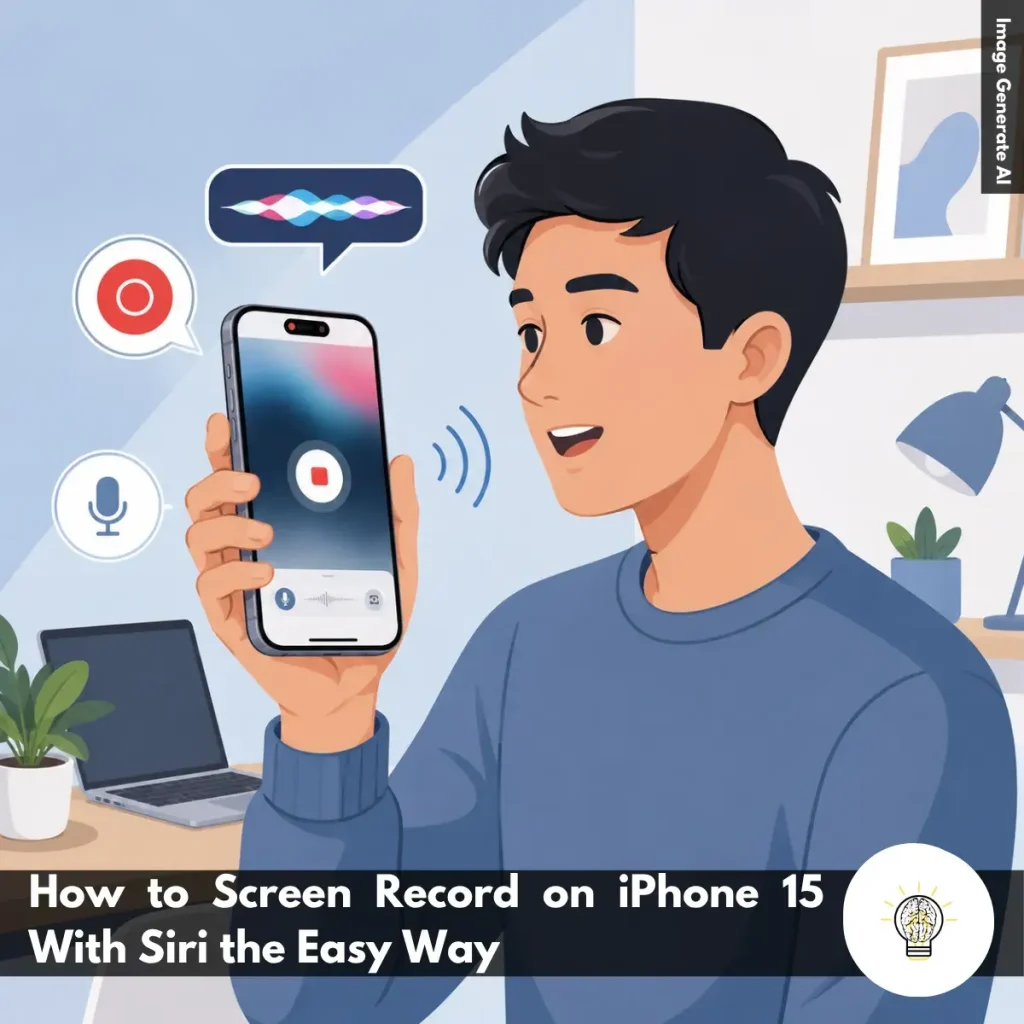
Ruminesia – Have you ever needed to record something on your iPhone quickly, only to find yourself swiping through menus while the moment slips away? It could be a bug you want to report, a gameplay highlight worth sharing, or a tutorial you’re trying to capture before it disappears. Small delays can be surprisingly frustrating when timing matters.
That’s why many users are searching for How to Screen Record on iPhone 15 With Siri. Instead of opening Control Center and tapping multiple options, you can start recording with a simple voice command. It’s one of those features that feels minor at first but becomes genuinely useful once you start using it regularly.
Interestingly, the real advantage isn’t just convenience—it’s staying focused on what’s happening on your screen. When Siri handles the recording for you, there’s less chance of missing important details, making the process feel smoother and more natural in everyday use.
Key Highlights
- Start screen recordings instantly using Siri without opening Control Center.
- Siri works across most apps, helping you capture moments without interruption.
- Voice commands make screen recording more convenient when your hands are busy.
- A red indicator confirms recording is active, reducing the risk of missed footage.
- Enable the microphone beforehand if you want to record voice narration.
- Finished recordings are automatically saved to Photos for quick access and sharing.
Before using Siri to start a screen recording on iPhone 15, take a minute to check a few settings on your iPhone 15. These quick preparations help ensure the feature works smoothly when you need it.

Learning how to Screen Record on iPhone 15 with Siri is one of the quickest ways to capture your screen without navigating through menus. Once everything is set up, you can start recording with a simple voice command, whether you’re on the Home Screen, Lock Screen, or using an app.
Start by waking Siri using the method you’ve enabled on your iPhone 15. You can either say “Hey Siri” or press and hold the Side button.
One of the convenient things about Siri is that it works from almost anywhere on your device. You don’t need to exit the app you’re using or navigate through menus first. This can be especially helpful when you’re trying to record something that happens quickly on screen and don’t want to miss the moment while setting up the recorder manually.
Once Siri is listening, say one of these commands:
After Siri recognizes the command, screen recording begins automatically. You’ll see a red recording indicator appear in the Dynamic Island or at the top of the screen, confirming that the recording is active.
In practice, this is one of the easiest ways to start a recording when your hands are busy or when you want to avoid extra taps. It’s also useful for quickly capturing app tutorials, gameplay, troubleshooting steps, or anything else happening on your display.
What many users don’t realize is that Siri only starts the screen recording—it doesn’t control microphone settings.
By default, your iPhone can capture system and app audio during the recording. However, if you want to record your own voice for commentary or explanations, you’ll need to enable the microphone beforehand. To do this, open Control Center, press and hold the Screen Recording button, then tap Microphone to turn it on.
Once enabled, future recordings started through Siri can include your voice, making it easier to create tutorials, walkthroughs, or presentations directly from your iPhone.
Once you’ve finished capturing your screen, stopping the recording is just as easy as starting it. If you’re learning how to Stop Recording on iPhone with Siri, you can end the recording hands-free with a simple voice command or use the on-screen controls.
Read Also:
Looking for quick answers about screen recording on iPhone? Here are the most common questions users ask, along with practical solutions you can use right away.
To enable Screen Recording, open Settings > Control Center and tap the green + icon next to Screen Recording.
Once added, the feature will appear in Control Center and remain there unless you remove it manually. This only takes a few seconds and gives you quick access whenever you need to screen record on iPhone.
Starting a recording is simple:
A red indicator at the top of the screen confirms that recording is active.
In most cases, iPhone automatically captures internal audio from supported apps and games. To improve results:
Keep in mind that some apps restrict audio capture for copyright or privacy reasons.
To include your voice during recording:
This is useful for tutorials, walkthroughs, and narrated demonstrations.
All screen recordings are automatically saved in the Photos app. To find them:
You can edit, share, or delete recordings directly from there.
The most common cause is insufficient storage space. Other possible reasons include:
Try freeing up storage and restarting your iPhone before recording again.
You can stop recording in two ways:
After stopping, the video is automatically saved to Photos.
You can edit recordings directly in the Photos app.
You can also crop, rotate, and apply basic adjustments without installing another app.
Missing audio is usually caused by recording settings. Check the following:
One thing many users overlook is that microphone audio and internal audio are controlled separately.
No, iPhone does not allow FaceTime call audio to be captured through Screen Recording.
While you can record the screen itself, the audio portion is typically blocked for privacy and legal reasons. This restriction helps protect participants and comply with recording consent laws in many regions.
Once you know how to Screen Record on iPhone 15 with Siri, capturing your screen becomes much more effortless. Instead of navigating through menus and settings, you can start or stop a recording with a simple voice command and stay focused on what you’re actually trying to capture.
Interestingly, features like this often seem small until you start using them in everyday situations. Whether you’re saving a quick tutorial, documenting a problem, or sharing something interesting with friends, a hands-free approach can make the whole process feel smoother and less distracting.
What many users discover is that convenience isn’t always about adding new features—sometimes it’s about making existing ones easier to access. Have you tried using Siri for screen recording on your iPhone 15, or do you still prefer the traditional Control Center method?