Frequently Asked Questions About iPhone

Ruminesia – Buying a new iPhone should feel simple, but small questions often appear once you start using it. From setting up Face ID and transferring data to fixing charging issues or improving battery life, many users end up searching for quick answers during everyday use.

This collection of Frequently Asked Questions About iPhone covers the most common things users want to know, whether you’re using your first iPhone or upgrading to a newer model. You’ll find practical explanations, setup guides, troubleshooting tips, and useful features explained in a clear and easy-to-follow way.

Key Highlights

  • The iPhone 17 lineup offers multiple options, from the standard model to the high-end Pro Max with advanced display and storage features.
  • Quick Start makes it easy to transfer data and set up a new iPhone in just a few steps.
  • Common iPhone issues like freezing, slow performance, or charging problems can often be fixed with simple troubleshooting methods.
  • Features such as Find My, Face ID, and two-factor authentication help improve iPhone security and device protection.
  • Built-in tools like Screen Recording, AirPlay, and Shortcuts add extra productivity and convenience to daily use.
  • Regular backups, software updates, and proper device care can help maintain long-term iPhone performance.
Frequently Asked Questions About iPhone

Frequently Asked Questions About iPhone

This section addresses the most frequently asked questions about the iPhone. Whether you’re a new user or looking to enhance your knowledge, these questions cover a wide range of topics, from general information and setup to troubleshooting and security.

1. What is an iPhone?

The iPhone is Apple’s smartphone lineup, first introduced in 2007. It combines communication, internet access, multimedia, and productivity features into a single touchscreen device.

Every iPhone runs on Apple’s iOS operating system, which receives regular updates to improve performance, security, and user experience. Over the years, the iPhone has become known for its seamless ecosystem, smooth performance, and long-term software support.

2. What are the latest iPhone models?

Apple’s latest iPhone lineup, released in September 2025, includes four models designed for different types of users.

  • iPhone 17 ($799) — Features a 6.3-inch display, A19 chip, 120Hz ProMotion support, and a dual 48MP camera system.
  • iPhone Air ($999) — Apple’s thinnest iPhone with a titanium design, 6.5-inch Super Retina XDR display, 120Hz ProMotion, and the A19 Pro chip.
  • iPhone 17 Pro ($1,099) — Includes the A19 Pro chip, upgraded GPU performance, a heat-forged aluminum unibody, and a 6.3-inch Super Retina XDR display.
  • iPhone 17 Pro Max ($1,099+) — The flagship model with a 6.9-inch display, up to 3,000 nits brightness, anti-glare coating, and storage options up to 2TB.

3. What is the newest iPhone?

The newest iPhone is the iPhone 17, released in September 2025. It introduces Apple’s latest-generation hardware with improved performance, battery efficiency, and camera capabilities.

The device is designed to deliver smoother everyday use, whether for multitasking, gaming, photography, or entertainment. Combined with the latest version of iOS, the iPhone 17 offers faster responsiveness and a more refined overall experience.

4. How to set up a new iPhone?

Setting up a new iPhone is straightforward, whether you’re transferring data from an older device or starting from scratch. Follow these basic steps:

  • Turn on the iPhone by holding the power button until the Apple logo appears.
  • Follow the on-screen instructions to select your language and region.
  • Use Quick Start if you already have another iPhone running iOS 11 or later. Place both devices near each other to transfer data automatically.
  • Choose Set Up Manually if you don’t have another device available.
  • Connect to Wi-Fi or a cellular network to activate the iPhone.
  • Sign in with your Apple ID to access iCloud, the App Store, and other Apple services.

5. How does iOS work?

iOS is Apple’s mobile operating system built specifically for the iPhone and other Apple devices. It uses a touch-based interface optimized for smooth navigation and responsive performance.

Under the hood, iOS runs on Apple’s Unix-based XNU kernel, which manages hardware resources, security, and system stability. Developers create apps using Apple’s official APIs and frameworks, while Apple regularly releases updates to improve security, add features, and optimize performance.

6. What accessories are essential for iPhone users?

The right accessories can improve charging, protection, audio quality, and daily convenience. Some of the most useful iPhone accessories include:

  • MagSafe Charger — Supports faster and more convenient wireless charging.
  • AirPods Pro (2nd generation) — Offers seamless pairing and active noise cancellation.
  • Portable Power Bank — Useful for extending battery life while traveling or commuting.
  • Apple AirTag — Helps track personal items using the Find My network.
  • Protective Case — Brands like Spigen and OtterBox provide added durability and MagSafe compatibility.

7. What are the best apps for iPhone?

Many popular iPhone apps focus on productivity, entertainment, creativity, and wellness. Some recommended apps include:

  • !Weather — Detailed weather forecasts with a clean interface.
  • Xnapper — Enhances screenshots for sharing and presentations.
  • The Parallax View — Provides immersive parallax-style visuals.
  • SongShift — Transfers playlists between music streaming services.
  • Calmaria — Simple breathing and mindfulness exercises.
  • Arc Search — Fast and focused web searching.
  • PoolSuite FM — Relaxing music and nostalgic playlists.
  • MyMind — Organizes notes, inspirations, and saved ideas.

8. Why is my iPhone not charging?

If your iPhone is not charging properly, several common issues may be causing the problem. Try these troubleshooting steps:

  • Check the charging port for dust or debris and clean it carefully.
  • Test a different Apple-certified cable or adapter to rule out accessory damage.
  • Restart the iPhone and update iOS to the latest version.
  • Let the device cool down if it feels hot, as overheating can temporarily pause charging.
  • If charging still fails, the battery or internal hardware may require professional service.

9. How to fix a frozen iPhone?

A frozen iPhone can usually be fixed with a force restart. Follow these steps:

  • Quickly press and release the Volume Up button.
  • Quickly press and release the Volume Down button.
  • Press and hold the Power button until the Apple logo appears.

Once the logo appears, release the button and wait for the device to restart normally.

10. What to do if my iPhone is running slowly?

A slow iPhone is often caused by limited storage, outdated software, or too many background processes. You can improve performance by:

  • Closing unused apps running in the background.
  • Removing unnecessary files and apps from iPhone Storage settings.
  • Disabling Background App Refresh for apps that do not need constant updates.
  • Updating iOS and installing apps to the latest versions.
  • Restarting the device periodically to refresh system resources.

11. How do I reset my iPhone to factory settings?

Resetting an iPhone to factory settings will erase all data, apps, and personal information from the device. Before starting, make sure you’ve backed up important files using iCloud or a computer. Follow these steps to perform a factory reset:

  • Open the Settings app.
  • Go to General.
  • Scroll down and tap Transfer or Reset iPhone.
  • Select Erase All Content and Settings.
  • Follow the on-screen instructions to confirm the reset process.

After the reset is complete, the iPhone will restart and return to its original setup screen.

12. How do I restart my iPhone?

You can restart an iPhone using either a standard restart or a force restart, depending on whether the device is responding normally.

Standard Restart

For iPhone models with Face ID (iPhone X and later):

  • Press and hold either the Volume Up or Volume Down button together with the Side button.
  • Wait for the power-off slider to appear.
  • Slide to turn off the iPhone.
  • After a few seconds, press and hold the Side button again until the Apple logo appears.

Force Restart

If the iPhone becomes frozen or unresponsive:

  • Quickly press and release the Volume Up button.
  • Quickly press and release the Volume Down button.
  • Press and hold the Side button until the Apple logo appears.

13. How do I turn off my iPhone?

The method for turning off an iPhone depends on the model you’re using.

  • iPhones with Face ID: Press and hold either the Volume Up or Volume Down button together with the Side button until the power-off slider appears.
  • iPhone 8 and earlier: Press and hold the Side button until the power-off slider appears.

After the slider appears, drag it to shut down the device.

14. How to clear the cache on iPhone?

iPhone does not provide a universal “clear cache” button for all apps, but you can still remove temporary data using several methods. Here are the most common options:

  • Clear Safari cache by going to Settings > Safari > Clear History and Website Data.
  • Delete and reinstall apps to remove stored cache from third-party applications.
  • Restart the iPhone occasionally to help clear temporary system files and refresh memory usage.

Clearing the cache can help improve storage space and fix minor app performance issues.

15. How to unhide apps on iPhone?

If an app is hidden or difficult to find, there are several ways to locate it again. Try these methods:

  • Swipe down on the Home Screen and use Search to find the app by name.
  • Check folders if Search shows the app is stored inside one.
  • Open the App Library by swiping left past all Home Screen pages.
  • Re-enable hidden Home Screen pages through Home Screen settings if needed.

In most cases, the app is still installed and simply moved from the main Home Screen.

16. How do you share your location on an iPhone?

iPhone users can share real-time location information through Apple’s Find My app. To enable location sharing:

  • Open the Find My app.
  • Select the People tab.
  • Tap Share My Location.
  • Choose a contact.
  • Select how long you want to share your location.

Your selected contact will then be able to view your location through the Find My network.

17. How to connect AirPods to an iPhone?

Connecting AirPods to an iPhone only takes a few seconds thanks to Apple’s automatic pairing system. Follow these steps:

  • Open the AirPods charging case while keeping the AirPods inside.
  • Hold the case near your iPhone.
  • Wait for the setup animation to appear on the screen.
  • Tap Connect.
  • Follow any additional instructions if prompted.

Once paired, the AirPods will automatically reconnect to the iPhone when used again.

18. How to backup iPhone?

Backing up an iPhone helps protect your photos, apps, messages, and settings in case the device is lost or replaced.

Backup Using iCloud

To create a wireless backup through iCloud:

  • Open Settings.
  • Tap [your name] > iCloud > iCloud Backup.
  • Tap Back Up Now.

Make sure the iPhone is connected to Wi-Fi and has enough iCloud storage available.

Backup Using a Computer

You can also create a local backup on a Mac or Windows PC:

  • Connect the iPhone to the computer using a cable.
  • Open Finder on macOS Catalina or later, or iTunes on Windows.
  • Select your iPhone.
  • Click Back Up Now.

Local backups are useful if you prefer offline storage or want faster restore speeds.

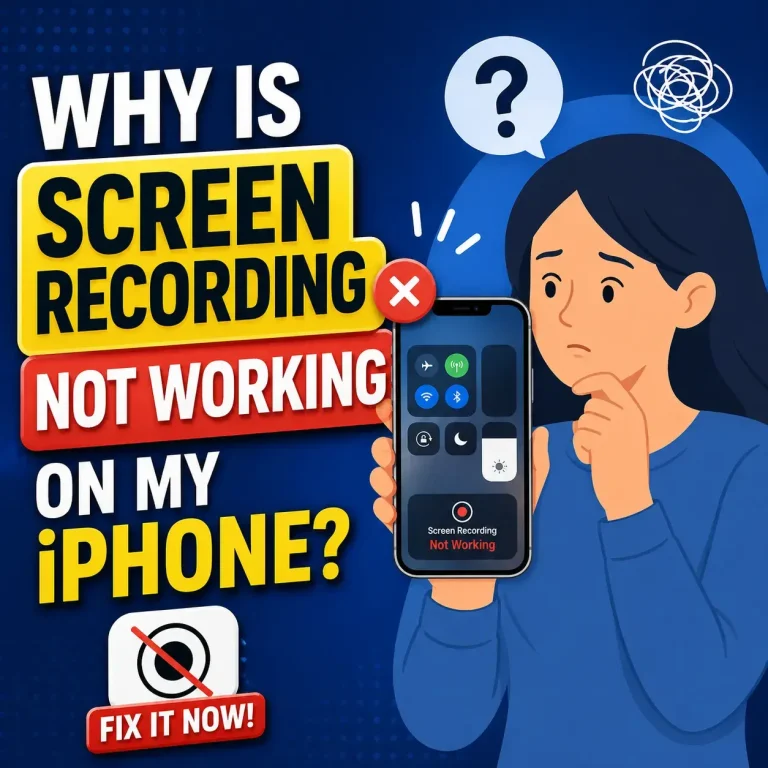
19. How to screen record on iPhone?

iPhone includes a built-in screen recording feature that can capture apps, gameplay, tutorials, and more.

Before recording, make sure the feature is added to Control Center.

Enable Screen Recording

  • Open Settings > Control Center.
  • Add Screen Recording to the included controls.

Start Recording

  • Open Control Center.
  • Tap the Screen Recording icon.
  • Wait for the countdown to begin recording.

To stop recording, tap the red status bar or return to Control Center and tap the icon again. The video will automatically save to the Photos app.

20. How do I turn off Find My iPhone?

Find My iPhone is a security feature linked to your Apple ID. Turning it off may be necessary before selling, resetting, or repairing the device. To disable the feature:

  • Open Settings.
  • Tap your Apple ID name at the top.
  • Select Find My.
  • Tap Find My iPhone.
  • Toggle the feature off.
  • Enter your Apple ID password to confirm.

Once disabled, the iPhone will no longer appear in Apple’s Find My tracking system.

21. How to schedule a text on an iPhone?

iPhone does not include a built-in message scheduler inside the Messages app, but you can schedule texts using the Shortcuts app. Follow these steps to create a scheduled message automation:

  • Open the Shortcuts app.
  • Tap the Automation tab.
  • Select Create Personal Automation.
  • Choose Time of Day as the trigger.
  • Set the time and frequency for the message.
  • Tap Add Action and search for Send Message.
  • Enter the recipient and your message.
  • Review the automation settings and tap Done.

Once saved, the automation will automatically send the message at the scheduled time.

22. How to mirror iPhone to TV?

You can mirror an iPhone screen to a compatible smart TV or streaming device using AirPlay. Before starting, make sure both devices are connected to the same Wi-Fi network. To mirror your screen:

  • Open Control Center on your iPhone.
  • Tap Screen Mirroring or AirPlay.
  • Select your TV or compatible device from the list.
  • Enter the AirPlay code shown on the TV if prompted.

After connecting, your iPhone screen will appear on the TV in real time.

23. How do I secure my iPhone?

Keeping your iPhone secure helps protect your personal data, accounts, and files from unauthorized access. Here are some important security practices:

  • Use a strong passcode, preferably six digits or an alphanumeric password.
  • Enable Face ID or Touch ID for biometric security.
  • Turn on Find My iPhone to help locate or remotely erase the device if lost.
  • Keep iOS updated to receive the latest security patches and bug fixes.
  • Download apps only from trusted sources such as the App Store.
  • Enable two-factor authentication for your Apple ID for additional protection.

These steps can significantly improve the overall security of your iPhone.

24. What should I do if my iPhone is lost or stolen?

If your iPhone is lost or stolen, acting quickly can help protect your information and improve the chances of recovery. Take these steps immediately:

  • Use Find My iPhone through the Find My app or iCloud to locate, lock, or erase the device remotely.
  • Contact your mobile carrier to suspend service and prevent unauthorized use.
  • Change your Apple ID password to secure connected accounts and data.
  • Report the loss or theft to local authorities if necessary.
  • Keep your device’s serial number available for identification purposes.

If the device reconnects to the internet, Find My may help you track its location again.

25. How do I extend the battery life on my iPhone?

Improving battery life often comes down to reducing unnecessary background activity and optimizing display settings. You can extend battery performance by:

  • Lowering screen brightness or enabling Auto-Brightness.
  • Turning on Low Power Mode in Settings > Battery.
  • Disabling Background App Refresh for apps that do not need constant updates.
  • Limiting unnecessary Location Services access.
  • Using Wi-Fi instead of mobile data when possible.
  • Updating iOS regularly for battery optimization improvements.

These adjustments can help the battery last longer throughout the day.

26. What are the best practices for iPhone care?

Proper care can help maintain your iPhone’s performance and physical condition over time. Some recommended practices include:

  • Using a protective case and screen protector.
  • Keeping iOS updated for better stability and security.
  • Avoiding extreme temperatures that may affect battery health.
  • Cleaning the device gently with a microfiber cloth.
  • Avoid exposure to water unless your model is officially water-resistant.
  • Charging the device with certified accessories when possible.

Regular maintenance can help extend the lifespan of the iPhone.

27. What does SOS mean on an iPhone?

When “SOS” appears in the iPhone status bar, it means the device cannot connect to your normal cellular network but can still make emergency calls. This usually happens when:

  • Your carrier signal is unavailable.
  • You are outside your carrier’s coverage area.
  • There is a temporary network outage.
  • The iPhone connects only to emergency-supported networks.

The SOS indicator will disappear automatically once the iPhone reconnects to a supported cellular network.

28. How do you transfer data from an old iPhone to a new one?

Apple provides several methods to transfer data between iPhones, depending on your setup preferences.

Use Quick Start

Quick Start is the fastest option for most users.

  • Place both iPhones close together.
  • Turn on the new iPhone.
  • Follow the on-screen instructions to begin wireless transfer.

Use iCloud Backup

You can also restore data from iCloud:

  • Back up the old iPhone through Settings > [your name] > iCloud > iCloud Backup.
  • During setup on the new iPhone, choose Restore from iCloud Backup.

Use a Computer Backup

For local transfers:

  • Back up the old iPhone using Finder or iTunes.
  • Connect the new iPhone.
  • Restore the backup during setup.

Each method transfers apps, settings, photos, and other supported data.

29. How do I activate my new iPhone by myself?

Activating a new iPhone is a simple process that only takes a few minutes if you prepare everything in advance. Follow these steps:

  • Turn on the iPhone by holding the Side button.
  • Choose your language and region.
  • Connect to a Wi-Fi network.
  • Insert your SIM card or set up an eSIM if required.
  • Sign in with your Apple ID.
  • Set up Face ID or Touch ID.
  • Choose whether to restore data or set up the device as new.
  • Complete the remaining personalization settings.

After activation is complete, the iPhone will be ready to use.

30. How to schedule a text on iPhone?

You can schedule a text on iPhone using the Shortcuts automation feature. To create a scheduled message:

  • Open the Shortcuts app.
  • Tap Create Personal Automation.
  • Choose Time of Day.
  • Go to the Automation tab.
  • Add the Send Message action.
  • Enter your message and recipient details.
  • Save the automation.

This method allows your iPhone to send messages automatically at specific times.

31. How to start your iPhone for the first time?

Setting up an iPhone for the first time is a simple process that only takes a few minutes. Before you begin, make sure the device has enough battery and your Apple ID information is ready.

Preparation Before Turning On Your iPhone

Before starting the setup process:

  • Charge the iPhone for at least 15–30 minutes.
  • Check that the box includes the charging cable and power adapter.
  • Prepare your Apple ID email and password, or create a new account if needed.

Steps to Turn On Your iPhone

To power on the device:

  1. Press and hold the Power or Side button.
  2. Release the button when the Apple logo appears.
  3. Wait for the Hello screen to load.

Once the Hello screen appears, the iPhone is ready for setup.

Setting Up Your iPhone

Follow the on-screen instructions to complete the setup process:

  1. Choose your language and region.
  2. Connect to a Wi-Fi network.
  3. Sign in with your Apple ID.
  4. Set up Face ID or Touch ID if supported.
  5. Create a six-digit passcode for device security.

After setup is complete, the iPhone will be ready to use.

32. How to turn off Amber Alerts on iPhone?

Amber Alerts are part of Apple’s government emergency notification system. If you prefer not to receive them, you can disable the feature through notification settings. To turn off Amber Alerts:

  1. Open the Settings app.
  2. Tap Notifications.
  3. Scroll to the bottom of the page.
  4. Find the Government Alerts section.
  5. Turn off Amber Alerts.

The iPhone will stop showing Amber Alert notifications after the setting is disabled.

33. How to turn on Night Mode on the iPhone camera?

Night Mode helps improve photo quality in low-light environments by automatically increasing exposure time. To use Night Mode:

  • Open the Camera app.
  • Move into a low-light area where Night Mode becomes available.
  • Look for the crescent moon icon at the top of the screen.
  • Tap the icon if you want to adjust the setting manually.
  • Use the slider to increase or decrease exposure time.

Holding the iPhone steady while capturing the image can help produce sharper results.

34. Should you buy refurbished iPhones wholesale?

Buying refurbished iPhones wholesale can be a cost-effective option, especially for resellers or businesses purchasing multiple devices.

Refurbished iPhones are pre-owned devices that have been inspected, repaired if necessary, and tested for functionality. Compared to brand-new models, they are usually more affordable while still offering reliable performance.

Before purchasing refurbished iPhones wholesale, consider these factors:

  • Check the supplier’s reputation and warranty policy.
  • Review device grading conditions carefully.
  • Confirm battery health and replacement policies if available.
  • Verify whether the devices are carrier-locked or unlocked.

If purchased from a trusted supplier, refurbished wholesale iPhones can provide strong value at a lower overall cost.

35. Why did my notes disappear on my iPhone?

Missing notes on an iPhone are often caused by syncing issues, accidental deletion, or temporary software problems. Here are the most common causes and fixes:

Check for Software Glitches

Temporary iOS bugs can sometimes prevent notes from appearing properly.

  • Restart the iPhone.
  • Update iOS to the latest version if available.

Look in the Recently Deleted Folder

Accidentally deleted notes may still be recoverable.

  • Open the Notes app.
  • Check the Recently Deleted folder.
  • Restore any missing notes if available.

Review iCloud and Account Settings

Notes may disappear if syncing is disabled.

  • Go to Settings > [Your Name] > iCloud.
  • Make sure Notes syncing is turned on.
  • Also check Settings > Mail > Accounts for linked note accounts.

Reinstall the Notes App

If the Notes app was removed:

  • Download it again from the App Store.
  • Sign back into your synced accounts if needed.

In many cases, synced notes automatically reappear after the app is restored.

Read Also:

Conclusion

Understanding these Frequently Asked Questions About iPhone can help you use your device more efficiently, whether you’re setting up a new iPhone, fixing common issues, or exploring useful features. Small adjustments and basic troubleshooting steps often make a noticeable difference in daily use.

As Apple continues to update iOS and release new iPhone models, staying familiar with essential settings and features can improve performance, security, and overall user experience. Knowing the basics also helps you get more value from your iPhone over time.

Still have questions about these Frequently Asked Questions About iPhone? Share your thoughts, tips, or experiences in the discussion section below and join the conversation with other iPhone users.

References

Share This Article

Athif Amirudin Muhtadi

Athif Amirudin Muhtadi

A technology writer with 5 years of professional experience as a WordPress Developer and SEO Specialist. Focused on covering apps, gadgets, and the latest digital trends, while creating SEO-friendly content that helps readers stay informed and businesses grow their online presence.

Leave a Reply

Your email address will not be published. Required fields are marked *