Physical Address
304 North Cardinal St.
Dorchester Center, MA 02124
Physical Address
304 North Cardinal St.
Dorchester Center, MA 02124

Your Guide to the Latest in Tech
Your Guide to the Latest in Tech
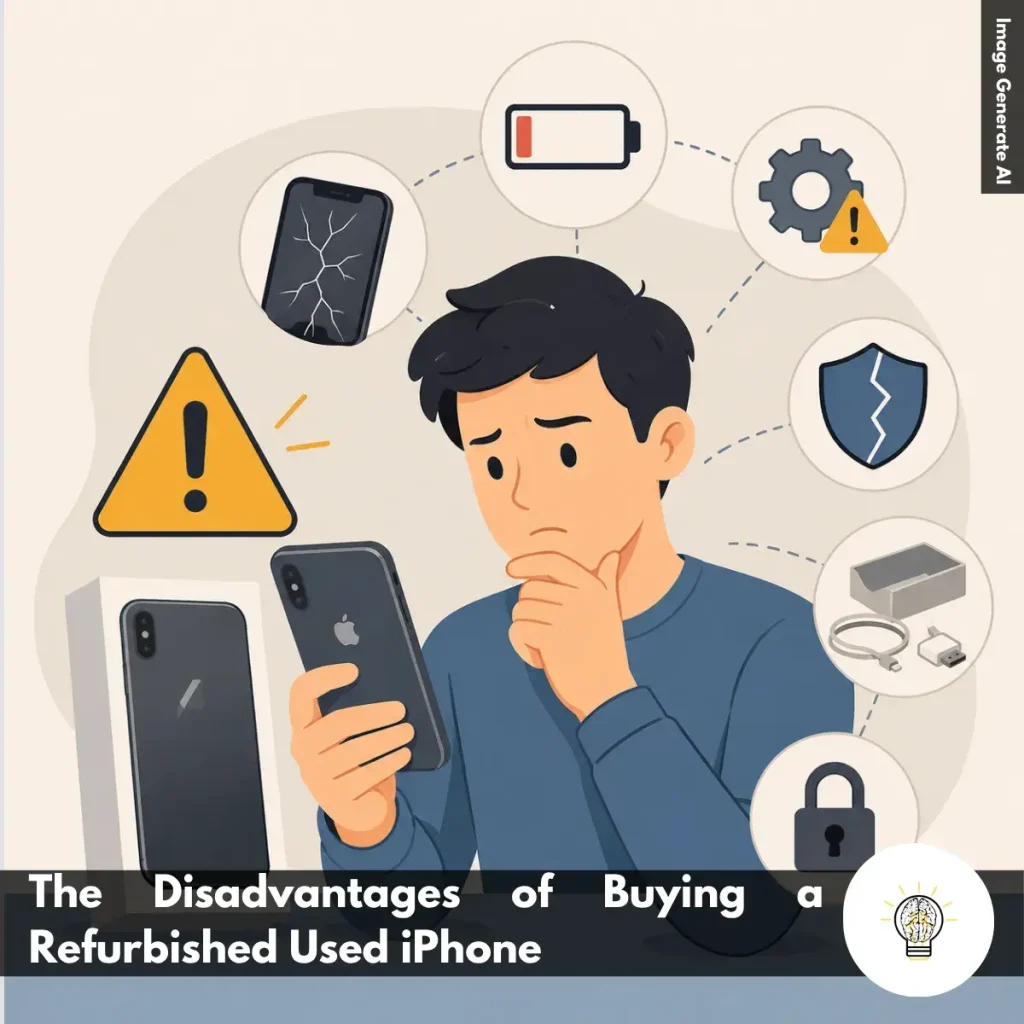
Ruminesia – A refurbished iPhone can look like an incredible deal. You get the same Apple design and familiar iOS experience for hundreds of dollars less than buying new. But once you start comparing listings, it’s easy to wonder whether the savings are really worth the potential trade-offs.
That’s where understanding the disadvantages of buying a Refurbished Used iPhone becomes important. Not every refurbished device goes through the same inspection process, and two iPhones of the same model can offer completely different experiences depending on their condition and who refurbished them.
The good news is that buying refurbished isn’t necessarily a bad decision—it just requires knowing what to look for. By understanding the most common drawbacks before you buy, you’ll be in a much better position to decide whether a refurbished iPhone truly offers the value you’re looking for.
Key Highlights
- Refurbished iPhones can save money, but their quality varies significantly between sellers.
- Battery health and replacement parts have the biggest impact on long-term performance.
- Older refurbished models receive fewer years of iOS and security updates.
- Shorter warranties can leave you paying for unexpected repairs sooner.
- Cosmetic wear and missing accessories are common, even on higher-grade devices.
- Buying from a trusted refurbisher greatly reduces the risk of locked or blacklisted iPhones.
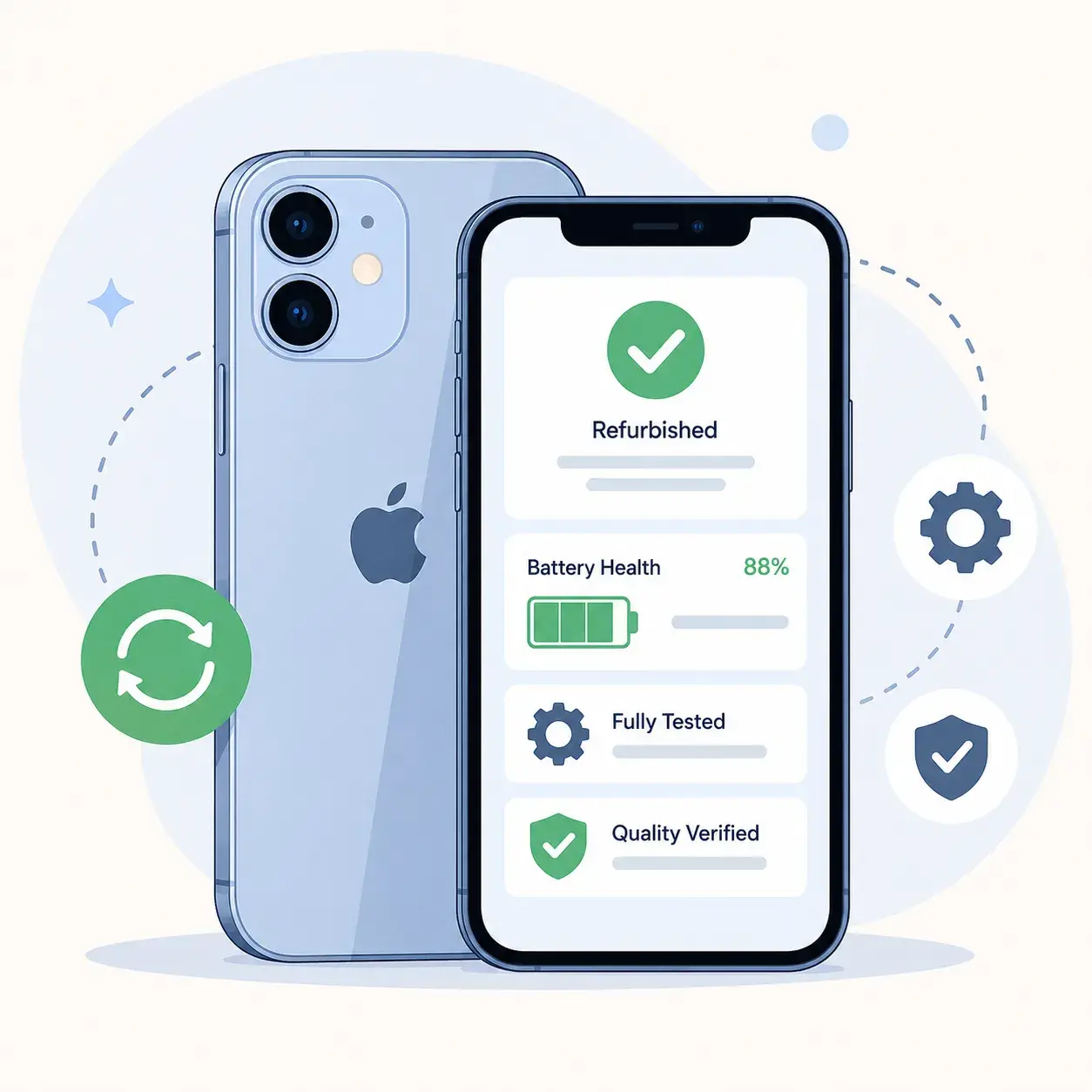
Buying a refurbished iPhone can be an excellent way to save money, but it’s important to understand that a lower price often comes with certain compromises. The overall experience depends on the phone’s age, the quality of the refurbishment process, and how transparent the seller is about its condition.
Some drawbacks are minor and mostly affect appearance, while others can impact performance, reliability, and long-term usability. Here are the most common disadvantages you should consider before deciding whether a refurbished iPhone is the right choice.
One of the biggest concerns with refurbished iPhones is battery condition. Since lithium-ion batteries naturally lose capacity over time, not every refurbished device includes a brand-new battery. If the original battery is still installed, daily performance may not feel as smooth as expected. A worn battery can affect your experience in several ways, including:
Because of this, always check the battery health or confirm whether the battery has been professionally replaced before buying.
Not every refurbished iPhone is restored using genuine Apple components. Some repair shops replace damaged parts with third-party alternatives to reduce refurbishment costs, which can lead to inconsistent performance. In practice, lower-quality replacement parts may result in:
This doesn’t happen with every refurbished phone, but it’s a common risk when buying from unverified sellers.
Warranty protection is another area where refurbished iPhones differ from brand-new devices. While a new iPhone includes Apple’s one-year limited warranty, refurbished models often come with much shorter coverage, depending on the retailer.
A shorter warranty means you have less protection if hardware problems appear after purchase. This is especially important for expensive repairs involving the display, battery, or internal components.
Apple has provided software updates for many years, but every iPhone eventually reaches the end of its support lifecycle. Older refurbished models are naturally much closer to that point than newly released devices. Once software support ends, you’ll no longer receive:
If you plan to keep your iPhone for several years, this shorter update lifespan is worth considering.
Unlike brand-new iPhones, refurbished devices are graded based on their physical condition. Even phones in excellent condition may show small signs of previous use. Common cosmetic imperfections include:
These imperfections usually don’t affect functionality, but they may matter if appearance is important to you.
Many refurbished iPhones are sold without the original box or accessories. Depending on the seller, you may receive compatible third-party replacements instead of Apple’s original charger or cable.
Before purchasing, check what’s included in the package. Otherwise, you may need to spend extra money buying certified accessories separately.
This is one of the most serious risks when buying from unknown marketplaces or individual sellers. Some refurbished iPhones may still be linked to a previous owner’s iCloud account, locked to a specific carrier, or reported as lost or stolen. Potential issues include:
Buying from reputable refurbishers with verified device history and clear return policies significantly reduces these risks.
Before buying, it’s worth looking beyond the price tag. The Disadvantages of buying a Refurbished Used iPhone often come down to how well the device was refurbished and how trustworthy the seller is. Here’s what you should check before making your decision.
After learning about the potential downsides, it’s natural to wonder whether a refurbished iPhone is still worth considering. The answer depends less on the word refurbished and more on the quality of the refurbishment itself. Two devices with the same model can deliver completely different experiences depending on who restored them and how transparent the seller is.
In our view, a refurbished iPhone can still be an excellent purchase if you’re buying from a reputable refurbisher that offers a clear warranty, verifies the device’s history, and replaces worn components when necessary. In many cases, paying 20–40% less than the price of a new iPhone is a worthwhile trade-off, especially if you’re getting a relatively recent model with several years of software support remaining.
The real problem isn’t that refurbished iPhones are inherently unreliable. It’s that many buyers focus almost entirely on finding the lowest price. An unusually cheap listing may come with hidden compromises, such as poor battery health, aftermarket parts, or limited after-sales support. Those costs often don’t become apparent until you’ve already started using the phone.
If you’re shopping on a budget, think of a refurbished iPhone as a value purchase rather than simply a cheap one. Spending a little more for a trusted seller, longer warranty, and verified condition can make a significant difference in your overall experience. In the long run, reliability is often worth far more than the initial savings.
Read more:
Many people consider refurbished iPhones because they offer a balance between price and reliability. Still, there are a few important things worth understanding before deciding which device to buy.
A refurbished iPhone is a pre-owned device that has been tested, repaired, and restored before being resold. Unlike a regular used phone, refurbished units usually go through hardware checks, cleaning, and quality inspections.
In practice, many certified sellers also replace damaged parts or weak batteries. That’s why refurbished iPhones often feel more reliable than buying directly from individual sellers.
Yes, buying a refurbished iPhone is generally safe if you purchase from a trusted seller or certified retailer. Reputable vendors usually test the device thoroughly before resale.
One thing many users overlook is the importance of warranty and return policies. Always check seller reviews, battery guarantees, and return windows before purchasing.
The main difference is quality control and warranty coverage. Refurbished iPhones are inspected and repaired before resale, while used iPhones are typically sold in their current condition.
Used devices may be cheaper upfront, but refurbished models usually offer better long-term reliability and buyer protection.
It depends on the seller. Apple Certified Refurbished devices always include a brand-new battery and outer shell. Third-party sellers often guarantee minimum battery health instead, usually around 80% to 85%. Always read the product description carefully before buying.
Yes, Apple includes a one-year limited warranty with Certified Refurbished iPhones. Interestingly, the coverage is very similar to buying a new iPhone. Some third-party refurbishers also offer warranties, but coverage terms can vary significantly between sellers.
Yes, some refurbished iPhones are carrier-locked while others are fully unlocked. A locked device only works with certain mobile networks. If you travel often or change carriers frequently, choosing a factory-unlocked model is usually the safer option.
You can check the model number directly in iPhone settings.
If the model number starts with “F,” the device is officially refurbished.
Official Apple refurbished iPhones generally maintain their original water-resistance standards because seals are replaced during refurbishment.
However, third-party repairs may affect water resistance depending on the repair quality. In practice, it’s safer not to rely heavily on water protection for older refurbished devices.
The appearance depends on the seller’s grading system. “Grade A” or “Excellent” devices usually look almost brand new. Lower grades may include visible scratches, scuffs, or small dents. The good news is that cosmetic flaws typically don’t affect performance.
Refurbished iPhones are cheaper because they can no longer be sold as brand-new products after being opened or previously used.
That price difference gives buyers access to Apple features, cameras, and software support at a much lower cost. For many users, it’s a practical middle ground between buying new and buying used.
Buying a refurbished iPhone is ultimately about balancing cost and peace of mind. A lower price can be appealing, but it’s only a good deal if the device is reliable enough to meet your everyday needs. That’s why understanding The Disadvantages of Buying a Refurbished Used iPhone matters just as much as comparing prices.
Interestingly, the biggest factor isn’t always the phone itself—it’s the seller behind it. A well-refurbished iPhone from a reputable source can provide years of dependable use, while a poorly refurbished one may end up costing more in repairs and frustration than you expected.
If you’ve purchased a refurbished iPhone before, what was your experience like? Share your thoughts or tips in the comments—your experience might help someone else make a smarter buying decision.