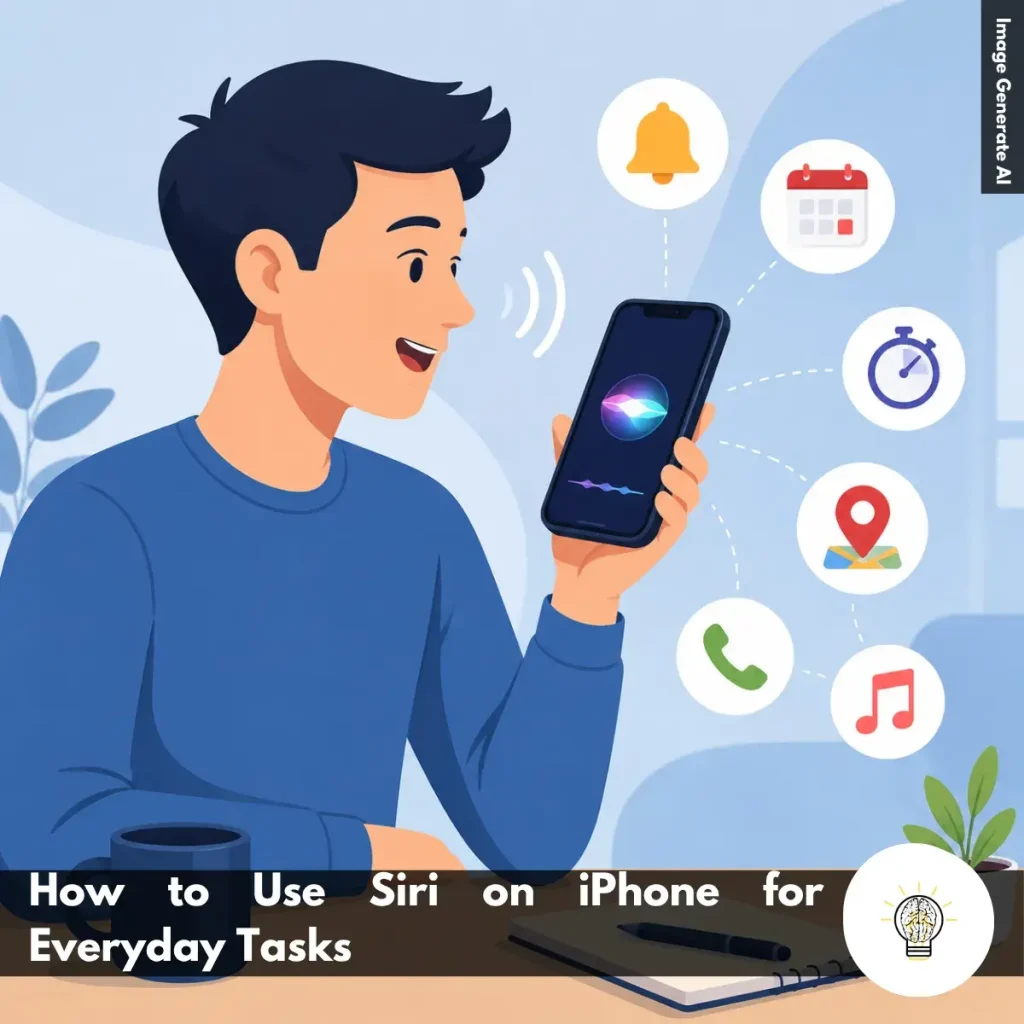
How to Use Siri on iPhone for Everyday Tasks

Ruminesia – Many iPhone users know Siri exists, but not everyone fully understands how to take advantage of it in daily use. Learning how to use Siri on iPhone can make simple tasks faster, whether you want to send messages, set reminders, check the weather, or control your device hands-free.

Once Siri is properly set up, you can activate it with your voice, a button, or even by typing requests. However, many users also want to adjust how Siri behaves—such as managing notifications, disabling suggestions, or improving voice recognition so the assistant understands commands more accurately.

This guide walks through the practical steps to set up Siri, activate it correctly, customize its settings, and control features like announcements, suggestions, and voice training so you can use Siri more efficiently on your iPhone.

Key Highlights

  • Siri can be activated using voice commands like “Hey Siri” or by pressing the side button, allowing quick hands-free interaction with your iPhone.
  • Proper setup in Settings > Siri & Search ensures voice recognition, button activation, and language preferences work correctly.
  • You can control Siri behavior by adjusting features such as suggestions, notifications, and response settings.
  • Siri supports natural voice commands, letting you perform tasks like sending messages, setting reminders, or checking information quickly.
  • Notification announcements on AirPods, CarPlay, or headphones can be customized or disabled to reduce interruptions.
  • Voice training improves accuracy by teaching Siri to recognize your speech patterns on each Apple device you use.

How to Use Siri on iPhone

How to Use Siri on iPhone

The How to Use Siri on iPhone guide will help you understand the Siri feature more deeply and maximise its use to support your daily activities practically and efficiently.

1. How to Get Siri to Work on Your iPhone

To understand how to get Siri to work on your iPhone, you mainly need to check a few key settings and complete the basic setup process. These steps will help ensure Siri can recognize your voice, respond to commands, and function properly on your device.

  • Enable Siri in Settings: Open the Settings app, go to Siri & Search (or Apple Intelligence & Siri on newer iOS versions), and make sure the Siri feature is available.
  • Turn On Voice Activation: Tap Talk to Siri, then enable Listen for “Hey Siri” or Listen for “Siri” so you can activate Siri using voice commands.
  • Enable Button Activation: Turn on Press Side Button for Siri (or Press Home Button for Siri on older models) to launch Siri manually by pressing and holding the device button.
  • Complete Voice Recognition Setup: Tap Continue when prompted and repeat the phrases shown on the screen so Siri can learn to recognize your voice.
  • Finish the Voice Training: Complete all voice prompts and tap Done to finalize the setup and improve Siri’s accuracy.
  • Use Siri with Voice Commands: Say “Hey Siri” or “Siri,” then give a request, such as checking the weather, setting a reminder, or sending a message.

2. How to Activate Siri on iPhone

Understanding how to activate Siri with voice commands allows you to use your device hands-free. Once the feature is enabled, Siri will listen for the activation phrase and respond to your request instantly.

  • Enable “Listen for Hey Siri”: Open Settings > Siri & Search, then turn on Listen for “Hey Siri” so your device can respond to voice activation.
  • Say the activation phrase: Clearly say “Hey Siri” or “Siri” (depending on your device and iOS version) to wake the assistant and start speaking your command.
  • Check your internet connection: Ensure your device is connected to Wi-Fi or mobile data, since many Siri features rely on online processing.
  • Keep the microphone unobstructed: Make sure nothing is covering the microphone so your device can detect your voice accurately.
  • Verify your Siri language and region settings: Confirm that they support voice activation to prevent recognition issues.

If Siri doesn’t respond, check Settings > Siri & Search to ensure all options are on, and verify microphone permissions in Screen Time.

3. How to Turn Off Siri

If you want to know how to turn off Siri completely, you can disable the assistant directly from your iPhone settings. The steps below stop Siri from activating through voice commands like “Hey Siri” or through the side button.

  • Open Settings: Launch the Settings app on your iPhone from the home screen to access system controls.
  • Open Siri Settings: Scroll down and tap Apple Intelligence & Siri (or Siri & Search on older iOS versions).
  • Access Voice Activation Options: Under Talk to Siri or Siri Requests, tap Talk & Type to Siri or Listen for to view voice activation settings.
  • Disable Voice Activation: Select Off to stop Siri from responding to voice commands such as “Hey Siri.”
  • Turn Off Side Button Activation: Toggle off Press Side Button for Siri so the assistant cannot be launched manually.
  • Disable Lock Screen Access: Turn off Allow Siri When Locked if the option appears to prevent Siri access while the device is locked.
  • Confirm Siri Deactivation: Tap Turn Off Siri when the confirmation prompt appears to finalize the change.

4. How to Make Siri Louder

Learning how to make Siri louder helps ensure voice responses are easy to hear in different environments. The steps below explain how to make Siri louder on an iPhone quickly using the built-in volume controls and sound settings.

  • Activate Siri: Say “Hey Siri” or press and hold the side button to start Siri, then ask a simple question like “What’s the weather today?” so Siri begins speaking.
  • Increase Volume While Siri Speaks: Press the upper volume button on the side of the iPhone while Siri is responding to raise the voice output level.
  • Adjust Volume from Control Center: Swipe down from the top-right corner to open Control Center, then move the volume slider upward while Siri is speaking to increase its loudness.
  • Check Ring Mode Setting: Make sure the iPhone is not in Silent mode by toggling the side switch to Ring mode so Siri responses play at normal volume.

5. How to Make Requests to Siri

Understanding how to make requests to Siri helps you interact with your device faster using voice or text commands. Once Siri is activated, you can simply ask for tasks like checking the weather, making calls, or playing music.

  • Activate Siri with Voice: Say “Hey Siri” or “Siri” after enabling the Listen for option in Settings to start a hands-free request.
  • Activate Siri with a Button: Press and release the side button on iPhone or the top button on iPad to open Siri, then speak your request clearly.
  • Use Type to Siri: Enable Type to Siri in Settings > Accessibility > Siri, then type your request instead of speaking when Siri appears.

6. How to Remove Siri Suggestions

Learning how to remove Siri Suggestions allows you to reduce automated recommendations on your iPhone or iPad. This can help keep your Home Screen, search results, and apps more private and less cluttered.

  • Disable Global Siri Suggestions: Open Settings > Siri & Search, then turn off the available suggestion options to stop Siri from showing recommendations across the system.
  • Turn Off Suggestions for Specific Apps: Scroll down in Siri & Search, select a specific app such as Calendar, and disable its Siri suggestion options to prevent that app from appearing in suggestions.
  • Remove the Siri Suggestions Widget: Long-press on the Home Screen, tap Edit, then remove the Siri Suggestions widget to stop it from displaying recommended apps or actions.

7. How to Set Up Siri

Understanding how to set up Siri helps you personalize how Apple’s voice assistant works on your device. You can configure settings like voice, language, and response style to match your preferences.

  • Activate Siri and Complete Initial Setup: Open Settings > Siri & Search, enable Siri, and follow the voice training prompts so Siri can recognize your voice.
  • Choose Siri Voice and Accent: Tap Siri Voice in the Siri settings and select your preferred voice and accent, such as British Female.
  • Select Siri Language: Go to Settings > Siri & Search > Language, then choose the language you want Siri to use for voice commands.
  • Customize Siri Responses: Open Siri Responses in the Siri settings and choose how Siri replies, such as spoken responses, captions, or both.
  • Set Your Personal Information: Tap My Information in Settings > Siri & Search and select your contact card so Siri knows who you are for personalized actions.

8. How to Stop Siri from Announcing Notifications on AirPods

Knowing how to stop Siri from announcing notifications on AirPods helps prevent Siri from reading incoming alerts through your headphones. This can reduce interruptions when listening to music, working, or focusing on tasks.

  • Open Announce Notifications Settings: Go to Settings > Notifications > Announce Notifications to access the controls that manage Siri’s notification announcements.
  • Disable Announcements for Headphones: Turn off the Headphones toggle in the Announce Notifications menu to stop Siri from reading notifications on AirPods.
  • Turn Off Announcements for Specific Apps: In the same Announce Notifications settings, select apps like Messages and disable announcements if you only want to block certain notifications.
  • Temporarily Mute Announcements: Say “Siri, stop announcing notifications” or enable Do Not Disturb to pause notification announcements without changing the main settings.

9. How to Stop Siri from Reading Texts

Understanding how to stop Siri from reading texts helps prevent Siri from automatically announcing incoming messages on your device or connected accessories. This is useful if you prefer to check messages manually instead of hearing them read aloud.

  • Turn Off Announce Notifications: Open Settings > Notifications > Announce Notifications, then switch the feature off to stop Siri from reading incoming messages aloud.
  • Disable Message Announcements for CarPlay: Go to Settings > Siri & Search, then turn off message announcement options related to CarPlay to prevent Siri from reading texts while driving.
  • Adjust Headphone Announcement Settings: In Settings > Notifications > Announce Notifications, disable the Headphones option to stop Siri from reading messages through connected headphones.
  • Enable Do Not Disturb Mode: Open Focus > Do Not Disturb and activate it to silence notifications, including message announcements, when you need fewer interruptions.

10. How to Talk to Siri

Learning how to talk to Siri helps you interact more effectively with Apple’s voice assistant. Using clear commands and simple phrases makes Siri understand your requests faster and respond more accurately.

  • Activate Siri Before Speaking: Say “Siri” or press the side/top button, then wait until the Siri orb appears to confirm it is listening.
  • Use Natural Voice Commands: Speak naturally with clear requests such as “Remind me to buy milk at 5 PM” so Siri can process the task correctly.
  • Pause Briefly After Activation: Wait a moment after triggering Siri before speaking to ensure the assistant is actively listening.
  • Ask Follow-Up Questions Naturally: Continue the conversation with related requests without repeating details, as Siri can maintain context in many interactions.
  • Rephrase If Siri Misunderstands: If Siri responds incorrectly, repeat the request using clearer wording or additional details to improve recognition.

11. How to Train Siri to Recognise Your Voice

Learning how to train Siri to recognise your Voice helps Siri respond more accurately to your voice commands. Voice training allows the assistant to better identify your speech patterns and reduce accidental activations.

  • Open Siri Voice Training Settings: Go to Settings > Siri & Search, then enable Listen for “Siri” or “Hey Siri” and tap Set Up or Retrain to begin the voice training process.
  • Complete the Voice Training Prompts: Follow the on-screen instructions and speak the five sample phrases clearly so Siri can learn your voice pattern.
  • Train Siri in a Quiet Environment: Perform the setup in a quiet room and speak naturally to improve recognition accuracy.
  • Repeat Training on Each Device: Set up voice recognition separately on every Apple device you use so Siri can recognize your voice consistently across devices.

12. How to Disable Siri

Disabling Siri is a simple process you can complete directly from your iPhone settings. By adjusting a few Siri controls, you can stop the voice assistant from responding to wake phrases or activating unintentionally.

  • Open the Settings App: Launch the Settings app on your iPhone to access system configuration options, where Siri settings are located.
  • Navigate to Siri Settings: Scroll down and tap Apple Intelligence & Siri, which may also appear as Siri or Siri & Search depending on your iOS version.
  • Access Voice Activation Controls: Tap Talk to Siri or Listen for “Siri” / “Hey Siri” to open the options that control Siri’s voice wake phrase.
  • Disable the Wake Phrase: Select Off or toggle off the voice activation option to stop Siri from responding to commands like “Hey Siri” or “Siri.”

Read More:

Frequently Asked Questions about Siri

Here are some Frequently Asked Questions about Siri to help clarify how Apple’s voice assistant works in everyday situations. These answers cover common questions users have when using Siri across different Apple devices.

1. What can Siri do on Apple devices?

Siri helps you perform everyday tasks using voice commands. You can ask Siri to send messages, make calls, set reminders, check the weather, control smart home devices, open apps, and search for information.

2. How do I activate Siri on my iPhone?

There are several ways to activate Siri depending on your device settings.

  • Say “Hey Siri” or “Siri” if voice activation is enabled.
  • Press and hold the Side button on newer iPhones.
  • Press and hold the Home button on older iPhone models.

Once activated, simply speak your request.

3. Does Siri work without an internet connection?

Most Siri features require an internet connection because requests are processed through Apple’s servers. However, some basic tasks like opening apps, setting alarms, or adjusting certain device settings may work offline on newer iOS versions.

4. Can I change Siri’s voice?

Yes, you can customize Siri’s voice and language in the settings menu. Apple provides several voice options, including different accents and languages depending on your region.

5. Is Siri available on devices other than iPhone?

Yes, Siri works across multiple devices in the Apple ecosystem. You can use Siri on iPad, Mac, Apple Watch, AirPods, HomePod, Apple TV, and Apple Vision Pro.

6. How do I turn off Siri on my device?

You can disable Siri through the settings menu.

  • Open Settings on your device.
  • Tap Siri & Search.
  • Turn off options like Listen for “Hey Siri” and Press Side Button for Siri.

This will stop Siri from activating.

7. Can Siri control smart home devices?

Yes, Siri can control compatible smart home devices through Apple HomeKit. You can use voice commands to turn lights on or off, adjust thermostats, or manage other connected home accessories.

8. Why is Siri not responding to my voice?

Siri may not respond if voice recognition is disabled, the microphone is blocked, or your internet connection is unstable. Checking Siri settings and ensuring your device has a stable connection often resolves the issue.

9. Can I type to Siri instead of speaking?

Yes, Apple offers a Type to Siri feature for users who prefer typing.

  • Go to Settings.
  • Select Accessibility.
  • Tap Siri.
  • Enable Type to Siri.

You can then type commands instead of using voice input.

10. Is Siri always listening to conversations?

Siri only listens for the activation phrase like “Hey Siri” or “Siri” when the feature is enabled. Apple states that voice data is processed with privacy protections, and Siri does not continuously record conversations unless activated.

Conclusion

Learning How to Use Siri on iPhone can make everyday tasks quicker and more convenient. Once Siri is properly set up, you can activate it with your voice or the side button to send messages, set reminders, check information, and manage various features on your device without navigating multiple menus.

Customizing Siri’s settings also helps you tailor the experience to your needs. Adjusting notification announcements, managing Siri suggestions, training voice recognition, or disabling certain features can make the assistant work more smoothly and reduce unnecessary interruptions.

If you haven’t explored these settings yet, try applying the steps that fit your usage habits and see how Siri can support your daily tasks more efficiently. You can also share your experience or favorite Siri commands to help other users get more value from their iPhone.

References

Share This Article

Athif Amirudin Muhtadi

Athif Amirudin Muhtadi

A technology writer with 5 years of professional experience as a WordPress Developer and SEO Specialist. Focused on covering apps, gadgets, and the latest digital trends, while creating SEO-friendly content that helps readers stay informed and businesses grow their online presence.

Leave a Reply

Your email address will not be published. Required fields are marked *