Physical Address
304 North Cardinal St.
Dorchester Center, MA 02124
Physical Address
304 North Cardinal St.
Dorchester Center, MA 02124

Your Guide to the Latest in Tech
Your Guide to the Latest in Tech
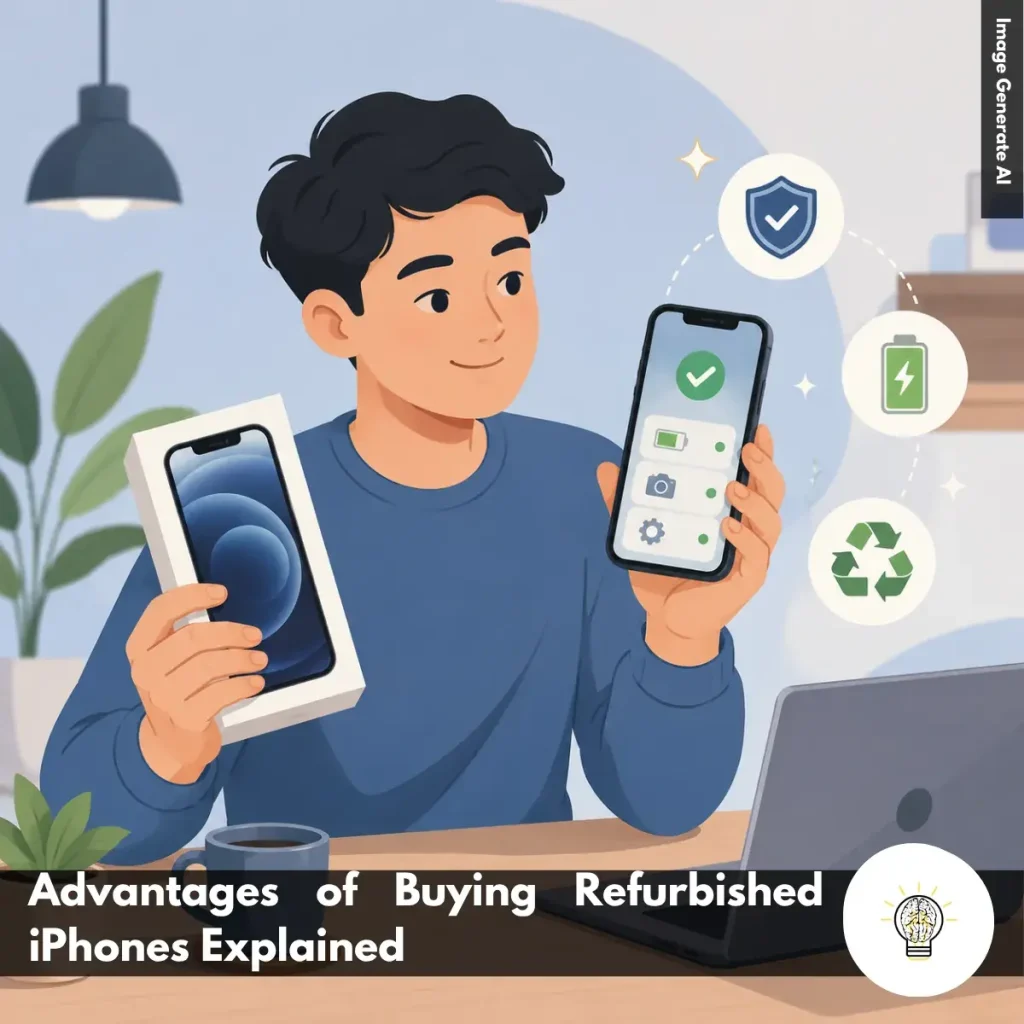
Ruminesia – Buying an iPhone has never really been cheap, and that’s exactly why more people are starting to look at refurbished models. The interesting part is that many users don’t necessarily need the newest iPhone version. They just want a device that still feels fast, reliable, and comfortable for everyday use without draining their budget.
That’s where the advantages of buying refurbished iPhones start becoming more relevant. Besides offering lower prices, refurbished devices often give users access to Apple’s ecosystem and premium experience in a much more practical way. In many cases, the difference between refurbished and brand-new isn’t as dramatic as people initially expect.
What many buyers realize later is that choosing a smartphone is not always about owning the latest release. Sometimes, it’s more about finding the balance between performance, value, and real daily needs. And for quite a lot of users, refurbished iPhones quietly fit that balance surprisingly well.
Key Highlights
- Refurbished iPhones offer Apple’s ecosystem experience without paying full flagship prices.
- Trusted refurbished sellers usually test devices and replace worn components before resale.
- Many refurbished iPhones still deliver smooth performance for everyday communication and entertainment.
- Warranty support makes refurbished devices safer than buying secondhand phones from random sellers.
- Buying refurbished helps reduce electronic waste by extending smartphone lifespan.
- Refurbished iPhones often provide better value than cheaper new entry-level smartphones.
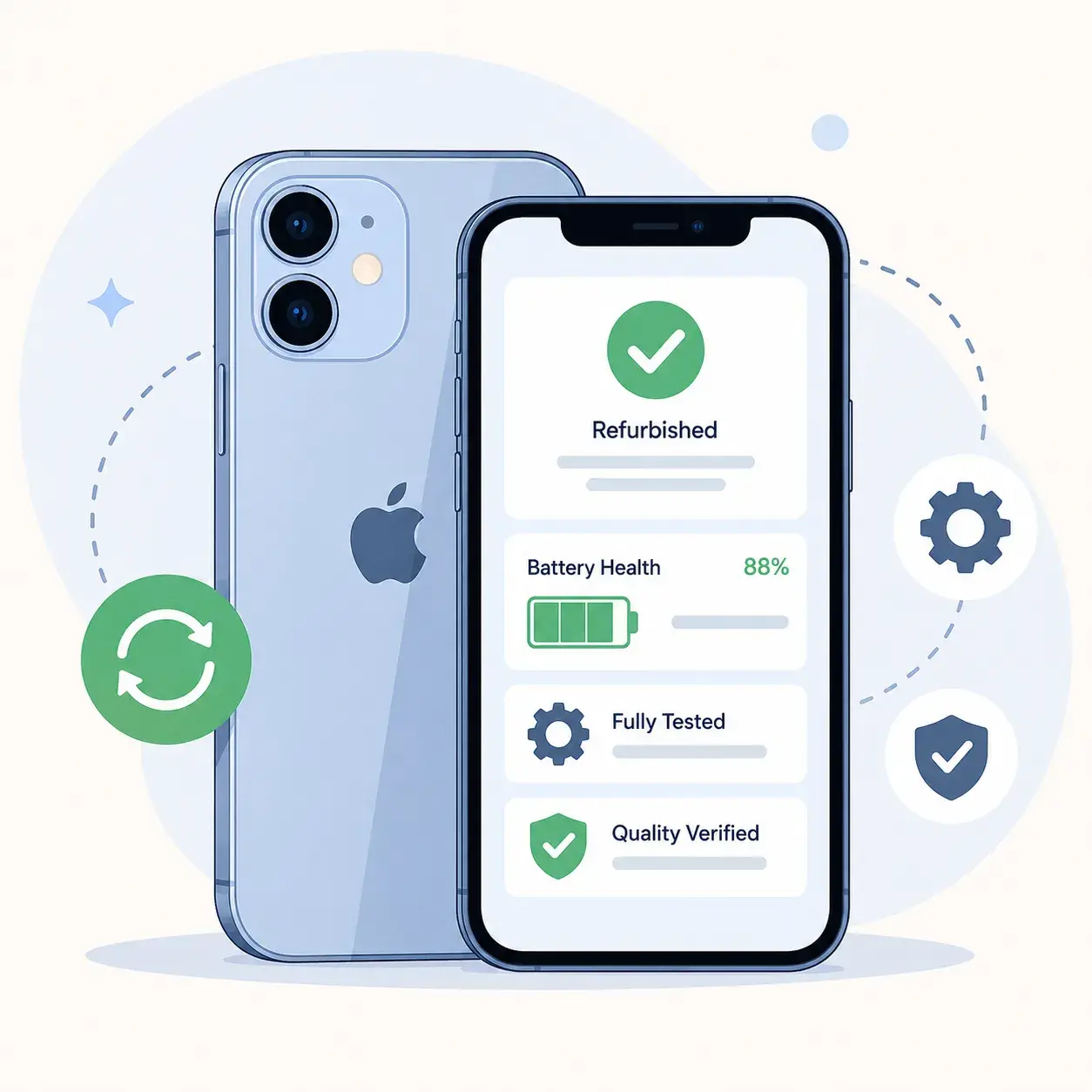
The advantages of buying refurbished iPhones go beyond just lower prices. For many users, refurbished devices offer a practical way to enjoy Apple’s ecosystem, reliable performance, and premium build quality without paying full retail cost.
Besides helping users save money, refurbished iPhones can also provide better long-term value and support more sustainable tech habits. As long as the device comes from a trusted seller, the experience can feel surprisingly close to buying new.
One of the biggest reasons people choose refurbished iPhones is the price. Compared to brand-new models, refurbished units are usually sold at a much lower cost, making Apple devices more accessible for users with tighter budgets.
In practice, this means you can often buy a higher iPhone model for the same budget you would normally spend on a lower new model. For example, some users prefer getting an older Pro-series iPhone refurbished instead of purchasing the latest entry-level version.
What many users don’t realize is that iPhones generally age quite well. Even older models still offer smooth performance, solid cameras, and long software support.
Reputable refurbished sellers normally inspect and test devices before putting them back on sale. This process often includes checking the screen, camera, buttons, speakers, charging port, and overall performance.
Some sellers also replace worn components, especially batteries, to improve reliability and user experience.
The problem is that many people assume “used” automatically means “poor condition.” In reality, professionally refurbished iPhones are often cleaned, repaired, and quality-checked before reaching the buyer.
Another advantage of buying refurbished iPhones is the availability of warranty support. Many trusted sellers include limited warranties, which can help protect buyers if problems appear after purchase.
This matters because buying secondhand devices privately usually comes with higher risk and little protection.
Even a short warranty period can make the buying experience feel much safer, especially for first-time refurbished phone users.
For many users, refurbished iPhones simply offer better value. You still get access to Apple’s ecosystem, iOS updates, smooth app optimization, and premium build quality without paying full retail price.
In everyday use, the experience often remains more than enough for work, entertainment, communication, and content creation.
That balance between performance and affordability is why refurbished iPhones continue to attract practical buyers.
Buying refurbished also helps reduce electronic waste. Instead of replacing devices too quickly, refurbishment extends the lifespan of existing products.
Besides saving money, this approach supports more sustainable technology consumption. It may seem like a small decision, but over time, choosing refurbished devices can help reduce unnecessary production and discarded electronics.
For users who care about both budget and sustainability, this becomes an added benefit worth considering.
Buying a refurbished iPhone also gives users easier access to Apple’s ecosystem at a lower cost. Even older iPhone models still work smoothly with services like iCloud, AirDrop, FaceTime, and Apple’s app ecosystem.
In practice, this means users can still enjoy the connected Apple experience without needing to buy the latest device. For many people, that convenience alone already adds significant value.
Refurbished iPhones are also a popular choice for secondary devices. Some users buy them as work phones, travel phones, or backup devices for daily use.
What makes this practical is the balance between affordability and reliability. Instead of spending heavily on another new smartphone, users can still get stable performance and iOS support at a much lower price.
Read more:
Many people consider refurbished iPhones because they offer a balance between price and reliability. Still, there are a few important things worth understanding before deciding which device to buy.
A refurbished iPhone is a pre-owned device that has been tested, repaired, and restored before being resold. Unlike a regular used phone, refurbished units usually go through hardware checks, cleaning, and quality inspections.
In practice, many certified sellers also replace damaged parts or weak batteries. That’s why refurbished iPhones often feel more reliable than buying directly from individual sellers.
Yes, buying a refurbished iPhone is generally safe if you purchase from a trusted seller or certified retailer. Reputable vendors usually test the device thoroughly before resale.
One thing many users overlook is the importance of warranty and return policies. Always check seller reviews, battery guarantees, and return windows before purchasing.
The main difference is quality control and warranty coverage. Refurbished iPhones are inspected and repaired before resale, while used iPhones are typically sold in their current condition.
Used devices may be cheaper upfront, but refurbished models usually offer better long-term reliability and buyer protection.
It depends on the seller. Apple Certified Refurbished devices always include a brand-new battery and outer shell. Third-party sellers often guarantee minimum battery health instead, usually around 80% to 85%. Always read the product description carefully before buying.
Yes, Apple includes a one-year limited warranty with Certified Refurbished iPhones. Interestingly, the coverage is very similar to buying a new iPhone. Some third-party refurbishers also offer warranties, but coverage terms can vary significantly between sellers.
Yes, some refurbished iPhones are carrier-locked while others are fully unlocked. A locked device only works with certain mobile networks. If you travel often or change carriers frequently, choosing a factory-unlocked model is usually the safer option.
You can check the model number directly in iPhone settings.
If the model number starts with “F,” the device is officially refurbished.
Official Apple refurbished iPhones generally maintain their original water-resistance standards because seals are replaced during refurbishment.
However, third-party repairs may affect water resistance depending on the repair quality. In practice, it’s safer not to rely heavily on water protection for older refurbished devices.
The appearance depends on the grading system used by the seller. “Grade A” or “Excellent” devices usually look almost brand new. Lower grades may include visible scratches, scuffs, or small dents. The good news is that cosmetic flaws typically don’t affect performance.
Refurbished iPhones are cheaper because they can no longer be sold as brand-new products after being opened or previously used.
That price difference gives buyers access to Apple features, cameras, and software support at a much lower cost. For many users, it’s a practical middle ground between buying new and buying used.
At the end of the day, the advantages of buying refurbished iPhones are not only about getting a cheaper device. For many users, it is really about finding a more practical balance between price, performance, and everyday needs. Sometimes, having a reliable phone that works well matters more than constantly chasing the newest release.
Interestingly, refurbished devices also change the way people think about technology ownership. Instead of upgrading simply because something newer exists, more users are starting to focus on long-term value and realistic usage. In practice, that mindset often feels more sustainable financially and environmentally.
Of course, buying refurbished still requires careful consideration, especially when choosing sellers and checking device conditions. But for many people, the experience ends up being much better than expected. Have you ever considered buying a refurbished iPhone, or maybe already used one before?