Physical Address
304 North Cardinal St.
Dorchester Center, MA 02124
Physical Address
304 North Cardinal St.
Dorchester Center, MA 02124

Your Guide to the Latest in Tech
Your Guide to the Latest in Tech
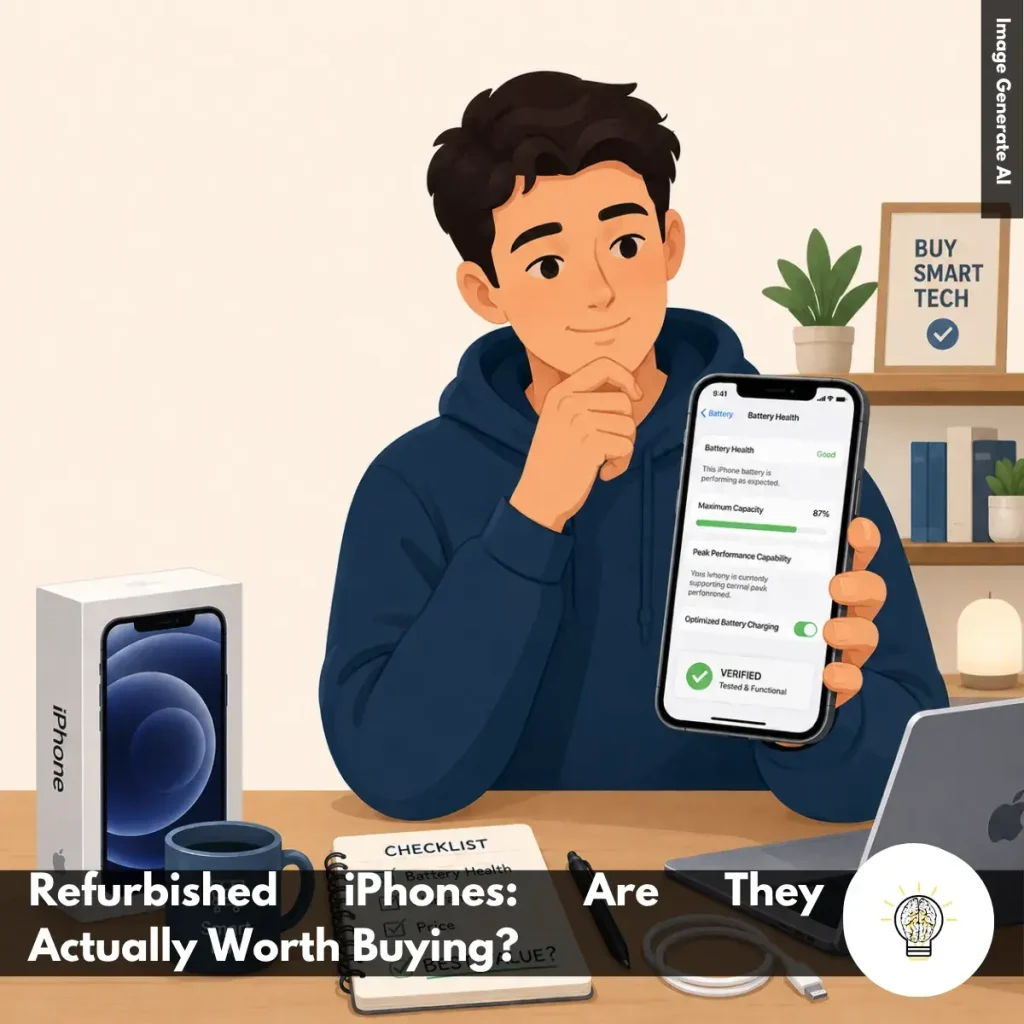
Ruminesia – Buying an iPhone today can feel expensive, especially when newer models keep getting pricier every year. That is why many people are now considering refurbished iPhones as a more affordable way to enter Apple’s ecosystem.
Interestingly, many users still assume “refurbished” means damaged or unreliable. In reality, many refurbished iPhones are tested, repaired if needed, and resold in proper working condition.
In practice, the real challenge is not just finding a cheap iPhone, but finding a trustworthy seller. For some users, refurbished devices can offer great value, while for others, the risks may not always be worth the savings.
Key Highlights
- Refurbished iPhones offer lower prices while still delivering reliable everyday Apple performance.
- Seller reputation matters more than finding the absolute cheapest refurbished iPhone available.
- Battery health, warranty coverage, and Activation Lock are essential checks before purchasing.
- Refurbished iPhones may have cosmetic wear, but performance is often similar to new devices.
- Wholesale refurbished iPhones can be profitable, but strong quality control is crucial.
- Buying refurbished devices also helps reduce electronic waste and extend product lifespan.
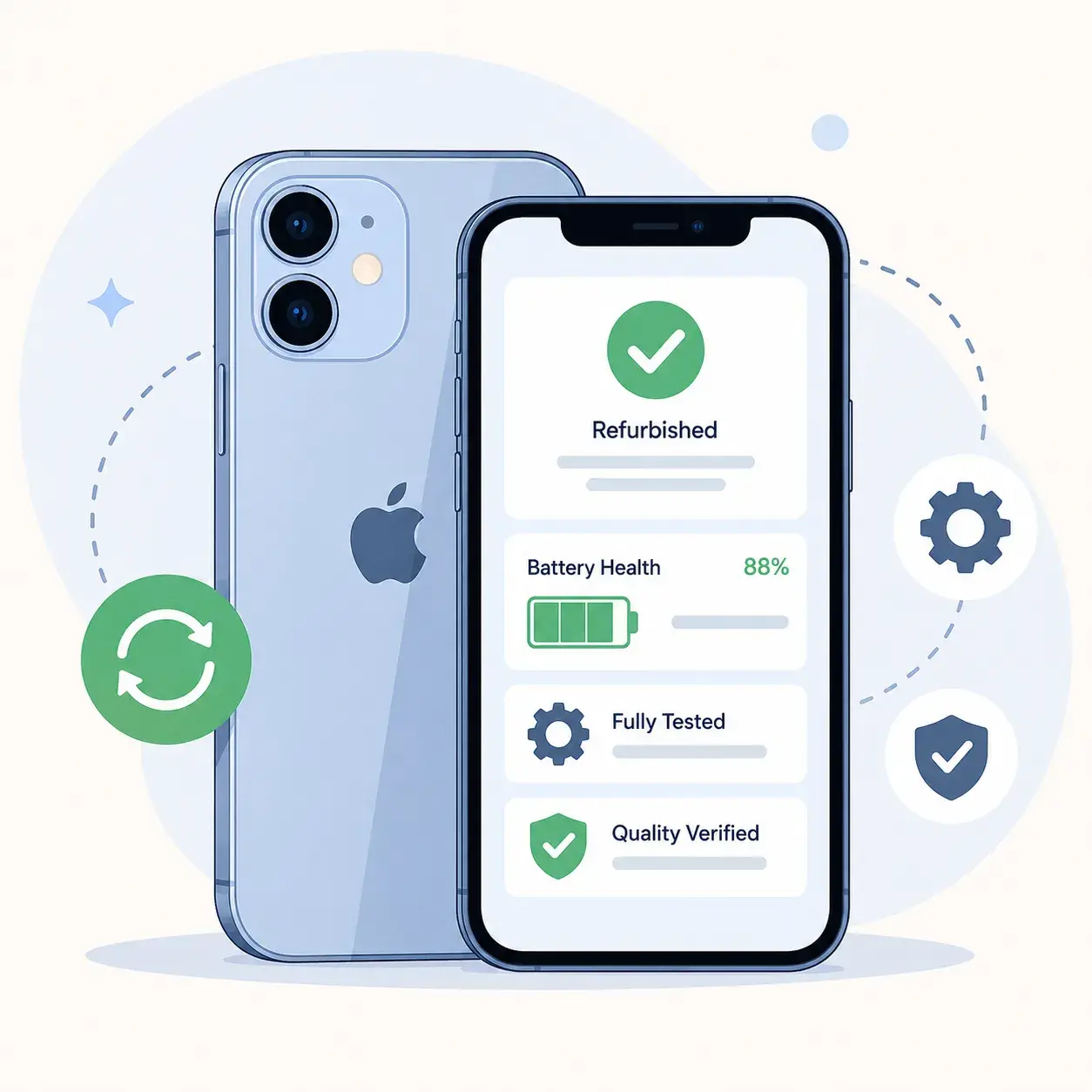
Refurbished iPhones are pre-owned iPhones that have been returned, checked, repaired if needed, and resold in proper working condition. Unlike regular used phones, refurbished devices are usually tested to make sure important features like the battery, camera, and screen still work properly.
In everyday use, many people buy refurbished iPhones because they are more affordable than brand-new models while still offering solid performance. For example, someone who wants an iPhone for social media, work, or content creation may choose a refurbished model to save money without sacrificing too much experience.
Interestingly, many people still think refurbished means “damaged,” even though reputable sellers often replace faulty parts and test the device before resale. In practice, the biggest factor is not just the price, but whether the refurbisher is trustworthy.
Advantages of Buying Refurbished iPhones go beyond just saving money. For many users, refurbished devices offer a practical way to enjoy Apple features, reliable performance, and better value without paying full retail price.
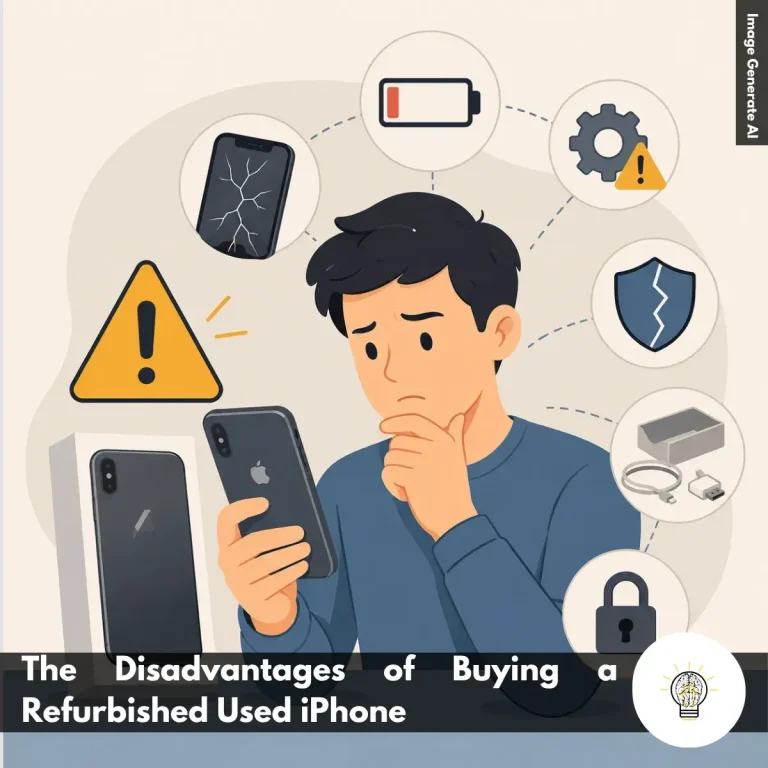
Buying a refurbished iPhone can save you money, but it also comes with trade-offs. Depending on the device’s condition and the seller’s refurbishment process, you may encounter issues that affect performance, reliability, or long-term value. Here are the most common disadvantages of buying a Refurbished Used iPhone to keep in mind before buying.
Key Features to Consider When Buying Refurbished iPhones mostly come down to device condition, seller trust, and long-term usability. A lower price can be tempting, but checking a few important details first can help you avoid problems later.
Compare refurbished and New iPhones carefully before deciding which one fits your needs and budget. In practice, both can deliver a similar everyday experience, but there are a few important differences that affect long-term value.
Should You Buy Refurbished iPhones Wholesale? For many businesses, it can be profitable because iPhones usually keep their value longer, and demand stays strong. Wholesale pricing also gives sellers more room for profit compared to brand-new devices.
Still, there are risks to consider. Some wholesale batches may contain hidden issues like weak batteries, screen problems, or carrier restrictions. What many new sellers forget is that grading often focuses more on cosmetic condition than deep hardware testing.
If you plan to buy refurbished iPhones wholesale, strong quality control is important. Always check IMEI status, battery health, warranty coverage, and Activation Lock before resale. In practice, success usually depends on managing risks, not just finding cheap inventory.
Tips for Purchasing Refurbished iPhones mostly focus on checking device quality and avoiding unnecessary risks. A lower price can be attractive, but spending a few extra minutes verifying important details can save you from problems later.
Read more:
Many people consider refurbished iPhones because they offer a balance between price and reliability. Still, there are a few important things worth understanding before deciding which device to buy.
A refurbished iPhone is a pre-owned device that has been tested, repaired, and restored before being resold. Unlike a regular used phone, refurbished units usually go through hardware checks, cleaning, and quality inspections.
In practice, many certified sellers also replace damaged parts or weak batteries. That’s why refurbished iPhones often feel more reliable than buying directly from individual sellers.
Yes, buying a refurbished iPhone is generally safe if you purchase from a trusted seller or certified retailer. Reputable vendors usually test the device thoroughly before resale.
One thing many users overlook is the importance of warranty and return policies. Always check seller reviews, battery guarantees, and return windows before purchasing.
The main difference is quality control and warranty coverage. Refurbished iPhones are inspected and repaired before resale, while used iPhones are typically sold in their current condition.
Used devices may be cheaper upfront, but refurbished models usually offer better long-term reliability and buyer protection.
It depends on the seller. Apple Certified Refurbished devices always include a brand-new battery and outer shell. Third-party sellers often guarantee minimum battery health instead, usually around 80% to 85%. Always read the product description carefully before buying.
Yes, Apple includes a one-year limited warranty with Certified Refurbished iPhones. Interestingly, the coverage is very similar to buying a new iPhone. Some third-party refurbishers also offer warranties, but coverage terms can vary significantly between sellers.
Yes, some refurbished iPhones are carrier-locked while others are fully unlocked. A locked device only works with certain mobile networks. If you travel often or change carriers frequently, choosing a factory-unlocked model is usually the safer option.
You can check the model number directly in iPhone settings.
If the model number starts with “F,” the device is officially refurbished.
Official Apple refurbished iPhones generally maintain their original water-resistance standards because seals are replaced during refurbishment.
However, third-party repairs may affect water resistance depending on the repair quality. In practice, it’s safer not to rely heavily on water protection for older refurbished devices.
The appearance depends on the grading system used by the seller. “Grade A” or “Excellent” devices usually look almost brand new. Lower grades may include visible scratches, scuffs, or small dents. The good news is that cosmetic flaws typically don’t affect performance.
Refurbished iPhones are cheaper because they can no longer be sold as brand-new products after being opened or previously used.
That price difference gives buyers access to Apple features, cameras, and software support at a much lower cost. For many users, it’s a practical middle ground between buying new and buying used.
Refurbished iPhones are not just about finding cheaper Apple devices. In many cases, they reflect how people are starting to think more carefully about value, practicality, and whether paying full price always makes sense. Interestingly, the experience often depends less on the iPhone model itself and more on how carefully the device was sourced and checked.
At the same time, refurbished devices are not completely risk-free. Battery condition, warranty coverage, and seller reputation still matter a lot, especially if you plan to use the phone long-term. In practice, a good refurbished iPhone usually comes from making informed decisions, not simply chasing the lowest price.
Maybe you have considered buying one yourself, or perhaps you already use a refurbished device every day without any problems. What’s your experience with refurbished iPhones so far?