Physical Address
304 North Cardinal St.
Dorchester Center, MA 02124
Physical Address
304 North Cardinal St.
Dorchester Center, MA 02124

Your Guide to the Latest in Tech
Your Guide to the Latest in Tech
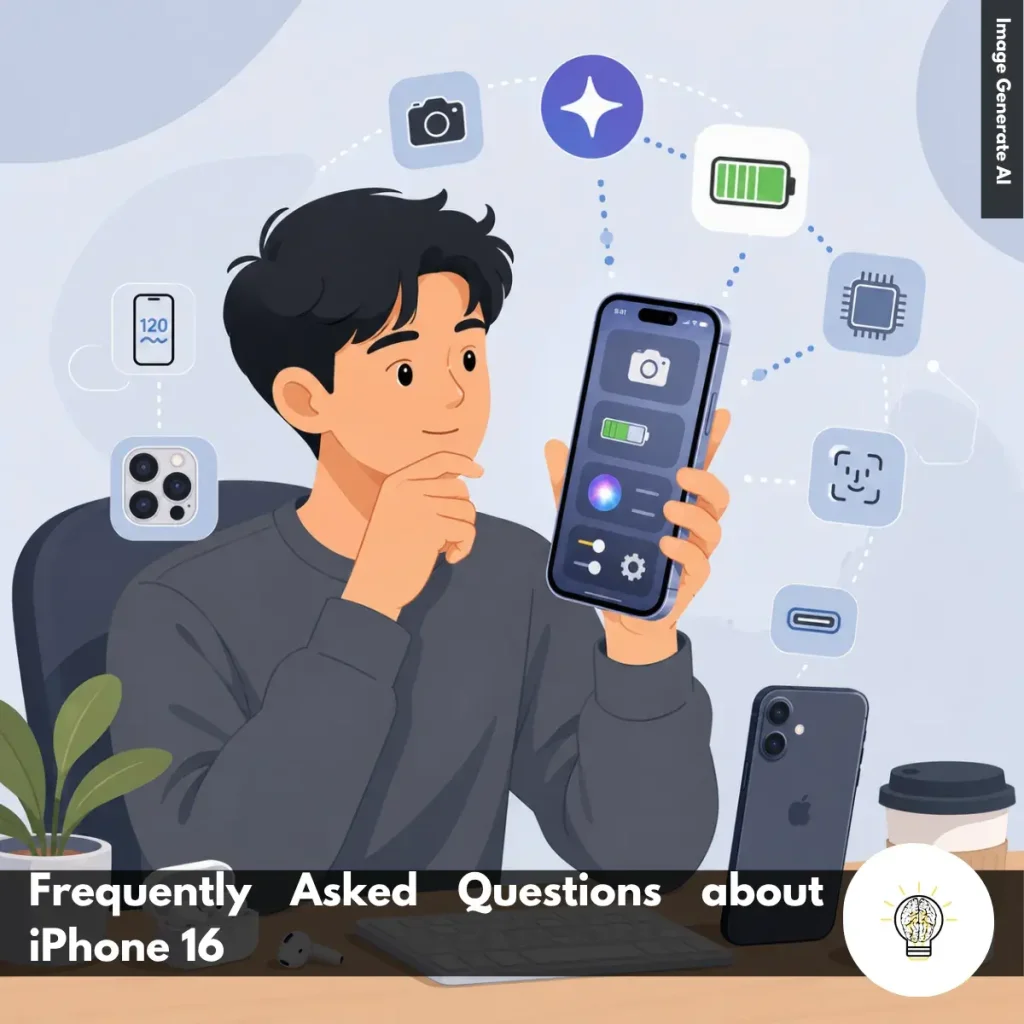
Ruminesia – Have you ever felt confused when a new iPhone launches, but the more information you read, the harder it becomes to decide? Some people are curious about Apple Intelligence, others care more about the camera and battery life, while many simply want to know if the iPhone 16 is actually worth upgrading to. Interestingly, most of these questions come from real everyday needs.
Frequently Asked Questions about iPhone 16 are not just about specs or benchmark numbers. For many users, the important things are practical details like battery performance, camera quality, gaming experience, and whether features like the new Camera Control button actually improve daily use. The iPhone has become more than just a phone for most people today.
In the end, choosing the iPhone 16 is less about chasing the newest technology and more about finding a device that feels useful for everyday life. That is why understanding the real-world experience behind the features matters more than simply reading a long list of specifications.
Key Highlights
- Apple Intelligence arrives gradually through iOS updates, not fully available at launch.
- The new Camera Control button makes photography faster and more practical for everyday use.
- Standard iPhone 16 models still use 60Hz displays despite several major hardware upgrades.
- Battery life and thermal management improvements noticeably benefit gaming, multitasking, and long daily usage.
- The iPhone 16 introduces useful quality-of-life upgrades beyond raw performance improvements alone.
- Upgrading from older models like iPhone 13 feels significantly more noticeable in daily use.
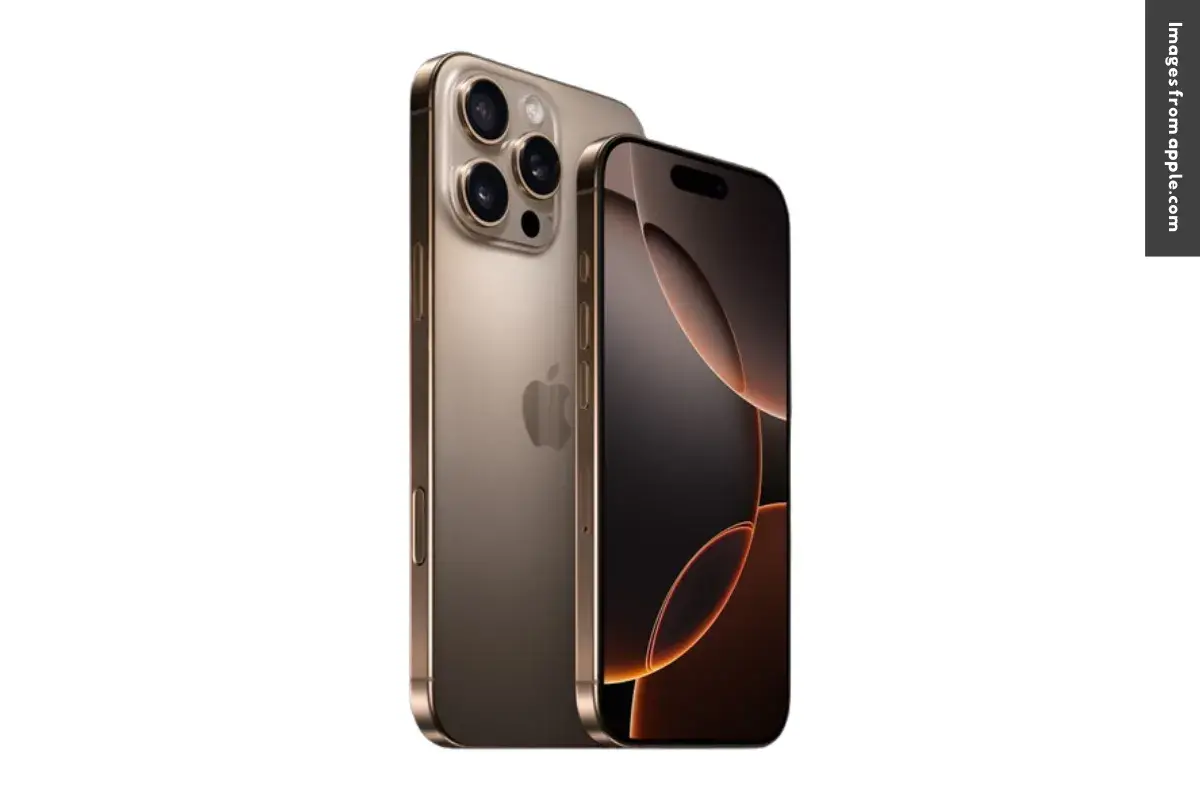
The iPhone 16 lineup introduces several hardware and software upgrades that many users are curious about. Here are concise and practical answers to some of the most frequently asked questions about iPhone 16.
No, Apple Intelligence was not fully available when the iPhone 16 launched. Apple introduced the AI platform alongside the device, but many features arrived later through iOS 18 updates.
In practice, early updates added writing tools, notification summaries, and interface improvements first. More advanced AI features, including deeper Siri upgrades and ChatGPT integration, continue rolling out gradually.
The Camera Control button is a new physical button placed on the side of the iPhone 16 models. It combines pressure sensitivity and touch gestures to make camera controls faster and easier.
Users can quickly launch the camera, adjust zoom, change exposure, or switch shooting modes without touching the display. Interestingly, some third-party camera apps can also use this button for additional controls.
No, the standard iPhone 16 and iPhone 16 Plus still use a 60Hz display. Apple continues to reserve 120Hz ProMotion technology for the Pro models.
That said, the screen still feels smooth for everyday use thanks to iOS optimization and responsive animations. One thing many users overlook is that the display also supports very high outdoor brightness for better visibility.
The iPhone 16 Pro now features a 6.3-inch display, while the iPhone 16 Pro Max has a larger 6.9-inch screen. This makes the Pro Max the biggest iPhone display Apple has released so far.
Apple achieved this by reducing the bezel size around the screen. The larger displays are especially useful for gaming, multitasking, video editing, and media consumption.
The main difference is that the Pro models focus more on premium hardware and advanced features. The standard iPhone 16 uses aluminum, while the Pro lineup uses titanium for a more premium build. The Pro models also include:
Yes, Apple changed the camera layout on the standard iPhone 16 and 16 Plus to a vertical arrangement. This replaces the diagonal design used in previous generations.
The updated layout helps support spatial video and spatial photo recording for Apple Vision Pro. In practice, this allows users to capture more immersive 3D-style content.
Yes, battery life has improved across the entire iPhone 16 lineup. Apple combined larger batteries with more power-efficient A18 processors to extend daily usage.
Users can generally expect longer video playback and better endurance during heavy tasks. The improved thermal system also helps reduce overheating and maintain battery health over time.
Yes, iPhone 16 models sold in the United States continue to use eSIM only. There is no physical SIM card slot on US variants.
This setup allows users to store multiple carrier profiles digitally and switch networks more easily. However, international versions in many countries still include a physical nano-SIM tray.
The standard iPhone 16 models are available in:
One thing many users overlook is that iPhone storage cannot be expanded later with a microSD card. If you plan to record lots of 4K videos or 48MP photos, choosing higher storage is usually the safer option.
Some early users experienced touchscreen responsiveness issues near the edges of the display. The problem was mainly linked to software-based palm rejection sensitivity.
Because the bezels are thinner, the phone sometimes misreads normal hand placement as accidental touches. Apple has addressed many of these issues through software updates to improve touch accuracy and responsiveness.
The main difference is that the A18 Pro is designed for heavier professional workloads and advanced graphics performance. While both chips use Apple’s latest 3nm architecture, the A18 Pro includes a stronger GPU and more advanced media processing features. In practice, the A18 Pro performs better for:
The standard A18 still delivers excellent everyday performance for most users.
Yes, the Action Button is now available on the standard iPhone 16 and iPhone 16 Plus. Apple replaced the old Ring/Silent switch with this customizable button across the entire lineup. Users can customize the Action Button to:
One thing many users overlook is that it also works very well with the Shortcuts app for automation.
The standard iPhone 16 models are available in:
Interestingly, Apple moved toward richer and more vibrant colors this year compared to previous softer pastel finishes. The matte glass texture also helps reduce fingerprints during daily use.
The iPhone 16 Pro models come in four titanium finishes:
The new Desert Titanium color replaces last year’s blue finish with a warmer bronze-like appearance. The brushed titanium texture also gives the devices a more premium and durable feel.
The iPhone 16 supports faster wireless charging speeds up to 25W when paired with Apple’s updated MagSafe charger and a compatible 30W adapter.
In practice, this allows the phone to charge to around 50% in roughly 30 minutes. Third-party Qi2 chargers still work, but charging speeds are generally limited to 15W.
The iPhone 16 Pro features a triple-camera setup with major upgrades across the system. The main camera uses a 48MP sensor, while the ultra-wide camera also jumps to 48MP for improved detail and low-light performance. The setup also includes:
This makes the Pro lineup especially appealing for mobile photography and video creators.
Audio Mix is an AI-powered audio editing feature for videos recorded on the iPhone 16. It lets users adjust voice clarity and background sound after recording. Users can choose different sound profiles, like:
In practice, this helps videos sound cleaner and more professional without needing external microphones or editing software.
Yes, all iPhone 16 models support Wi-Fi 7 connectivity. This is a major upgrade because even the standard models now support Apple’s latest wireless networking technology. Wi-Fi 7 offers:
This helps future-proof the devices for newer home and office networks.
All iPhone 16 models now include 8GB of RAM. Apple increased memory capacity across the lineup mainly to support Apple Intelligence features and smoother multitasking. For everyday users, this means:
One thing many users overlook is that more RAM can also improve long-term performance stability over several years.
Visual Intelligence is an AI-powered feature that uses the camera to recognize objects and provide useful information instantly. It works through the new Camera Control button and Apple Intelligence system. For example, users can:
In practice, it works like a smarter visual search tool directly integrated into the camera experience.
No, Apple still does not include a charging brick inside the iPhone 16 box. The package only includes the iPhone, documentation, and a USB-C charging cable.
Interestingly, the included cable now uses a braided design for improved durability. To access fast charging speeds, users still need a separate 20W or higher adapter.
The standard iPhone 16 features a 6.1-inch Super Retina XDR OLED display. This size balances portability with enough screen space for videos, gaming, and daily tasks. The display also supports:
It remains a comfortable size for one-handed use.
The iPhone 16 Plus includes a larger 6.7-inch OLED display. It is designed for users who prefer a bigger screen without paying Pro-level pricing. The larger size is especially useful for:
The bigger body also allows for a larger internal battery.
Yes, Apple redesigned the internal cooling system on the iPhone 16 lineup. The updated structure helps move heat away from the processor more efficiently during demanding tasks. In practice, users may notice:
This is particularly useful for gaming and 4K video recording sessions.
Yes, the iPhone 16 uses an upgraded Ceramic Shield glass for improved durability. Apple claims it is significantly tougher than previous generations.
While the screen is more resistant to drops and cracks, it can still collect minor scratches over time. One thing many users overlook is that a screen protector still helps preserve the display’s long-term appearance.
The standard iPhone 16 models use USB 2 speeds, while the Pro models support much faster USB 3 transfer rates. The main difference is:
For most users, cloud syncing makes this less noticeable. However, creators transferring large 4K video files will benefit significantly from the faster Pro speeds.
Yes, the iPhone 16 can capture spatial photos and spatial videos. Apple redesigned the camera layout specifically to support immersive 3D-style content for Apple Vision Pro.
When viewed normally, the files look like regular photos and videos. However, inside Vision Pro, they display realistic depth and spatial immersion.
The iPhone 16 Pro models feature Apple’s thinnest bezels ever on an iPhone. The slimmer borders allow the screen to feel larger without making the phone much bigger physically. In practice, this creates:
The design also helps the larger displays remain comfortable to hold.
Yes, all iPhone 16 models include Crash Detection. The feature uses advanced motion sensors to detect severe car accidents automatically. If a serious crash is detected, the iPhone can:
This safety feature works even if the user is unresponsive after the accident.
Yes, users can manually limit charging levels on the iPhone 16 to help preserve long-term battery health. Available charging limits include:
In practice, this feature is useful for people who keep their phone plugged in for long periods, especially during work or overnight charging.
The standard iPhone 16 starts at $799 in the United States for the 128GB model. Apple kept the same starting price as previous generations despite adding several new features. In practice, the base model now includes features that were previously limited to premium devices, such as:
Carrier trade-in programs can also help reduce the final cost significantly.
The iPhone 16 Pro Max starts at $1,199 with 256GB of storage. Apple removed the older 128GB option for the Pro Max lineup. The higher starting price reflects:
For heavy users and creators, the larger storage can also be more practical long-term.
Yes, macro photography is now available on the standard iPhone 16 and iPhone 16 Plus. Previously, this feature was limited to Pro models only.
When users move the camera close to an object, the phone automatically switches to macro mode for detailed close-up shots. This is useful for capturing textures, flowers, food, insects, or small text clearly.
The iPhone 16 Pro Max weighs around 227 grams or 7.97 ounces. Despite the larger display, Apple managed to keep the weight relatively balanced thanks to the titanium frame.
Interestingly, the titanium material helps reduce hand fatigue compared to older stainless-steel Pro Max models. In practice, the phone still feels premium without becoming excessively heavy.
No, US versions of the iPhone 16 do not include a SIM ejector tool. This is because American models use eSIM only and no longer have a physical SIM tray.
However, international versions with nano-SIM support still include the SIM removal pin inside the box. One thing many users overlook is that a paperclip can also work in emergencies.
The iPhone 16 Pro can reach up to 2,000 nits of peak outdoor brightness. This makes the screen much easier to read under direct sunlight. The display also supports:
In practice, this helps improve comfort both indoors and outdoors.
No, ProRes recording remains exclusive to the iPhone 16 Pro models. The standard iPhone 16 supports regular video formats like HEVC and H.264 instead.
The main difference is that ProRes captures much higher-quality video data for professional editing workflows. Most casual users will not notice this limitation during normal video recording.
No, the iPhone 16 does not support reverse wireless charging for other devices. You cannot place AirPods or another phone on the back of the iPhone to charge wirelessly. However, the USB-C port does support reverse wired charging. In practice, users can charge accessories like:
This can be useful during travel or emergencies.
The standard iPhone 16 supports 2x optical-quality zoom using its 48MP main camera sensor. Apple achieves this through sensor cropping instead of using a dedicated telephoto lens. The camera system also supports:
For longer zoom ranges like 5x optical zoom, users need the Pro models.
No, the iPhone 16 does not include a 3.5mm headphone jack. Apple removed the port several generations ago. Users can still listen to wired audio by:
Most users now rely on wireless earbuds like Apple AirPods Pro for convenience.
The iPhone 16 camera system introduces several upgrades over the iPhone 15. The biggest changes include the new vertical camera layout, macro photography support, and improved low-light performance. The main improvements include:
In practice, the camera feels more versatile for both casual and creative users.
The A18 chip delivers faster performance, better power efficiency, and improved AI processing compared to older iPhone chips. It is designed to support Apple Intelligence features and advanced gaming workloads. Users may notice:
One thing many users overlook is that stronger chips also help phones age better over several years.
The iPhone 16 uses upgraded Ceramic Shield glass for stronger durability, but the screen can still collect scratches over time. Small particles like sand or dust can leave hairline marks during daily use.
To reduce scratches, many users still install a tempered glass protector. In practice, this helps preserve resale value and keeps the display looking cleaner long term.
Yes, the iPhone 16 is powerful enough for demanding mobile games. The A18 chip includes hardware-accelerated ray tracing for improved graphics and lighting effects. Combined with the improved thermal system, users can expect:
Even the standard model performs very well for modern AAA mobile games.
The standard iPhone 16 supports up to 512GB of storage. Users who need 1TB of storage must upgrade to the Pro lineup. For most people, these storage tiers are available:
In practice, 256GB is often the best balance between price and everyday storage needs.
No, iPhone 15 cases are generally not compatible with the iPhone 16. Apple changed the camera layout and added the new Camera Control button. The main compatibility issues include:
To ensure full protection and button access, users should buy a dedicated iPhone 16 case.
The iPhone 16 lineup supports Bluetooth 5.3. This newer standard improves wireless stability, energy efficiency, and connection reliability. Bluetooth 5.3 helps provide:
This is especially useful for wireless earbuds, gaming accessories, and smartwatches.
Yes, the iPhone 16 supports Emergency SOS and roadside assistance via satellite. This feature works even in areas without cellular coverage. In practice, users can:
This is especially helpful for travelers, hikers, and drivers in remote areas.
Using the Camera Control button is fairly simple once you get used to it. To adjust camera settings:
Interestingly, the controls become more intuitive after a few days of regular use.
Yes, upgrading from the iPhone 13 to the iPhone 16 is a significant jump in overall experience. Users gain access to modern features, improved performance, better cameras, and Apple Intelligence support. The biggest upgrade benefits include:
For users with aging batteries or older hardware, the iPhone 16 feels like a major generational improvement.
So far, there’s no widespread issue causing Siri to stop working on the iPhone 16. While some users have reported Siri becoming unresponsive at times, the problem is usually fixed with basic troubleshooting steps.
Apple’s system status page also showed all Siri-related services running normally as of March 2026. In most cases, the issue comes from software bugs, settings misconfigurations, or unstable network connections rather than hardware problems.
Read More:
Interestingly, the iPhone 16 feels more like a refinement of everyday smartphone use rather than a dramatic redesign. Many of its upgrades, from battery life to camera controls, become more noticeable in real daily situations than on a specs sheet.
Frequently Asked Questions about iPhone 16 also show how people now care more about practical experience than raw hardware numbers. For many users, the important question is simply whether the phone feels smoother, more reliable, and worth using for years ahead.
In the end, the right upgrade depends on how you actually use your phone every day. Some people will value the camera and performance upgrades, while others may care more about battery life and long-term comfort. What matters most to you when deciding to upgrade a smartphone?