Physical Address
304 North Cardinal St.
Dorchester Center, MA 02124
Physical Address
304 North Cardinal St.
Dorchester Center, MA 02124

Your Guide to the Latest in Tech
Your Guide to the Latest in Tech
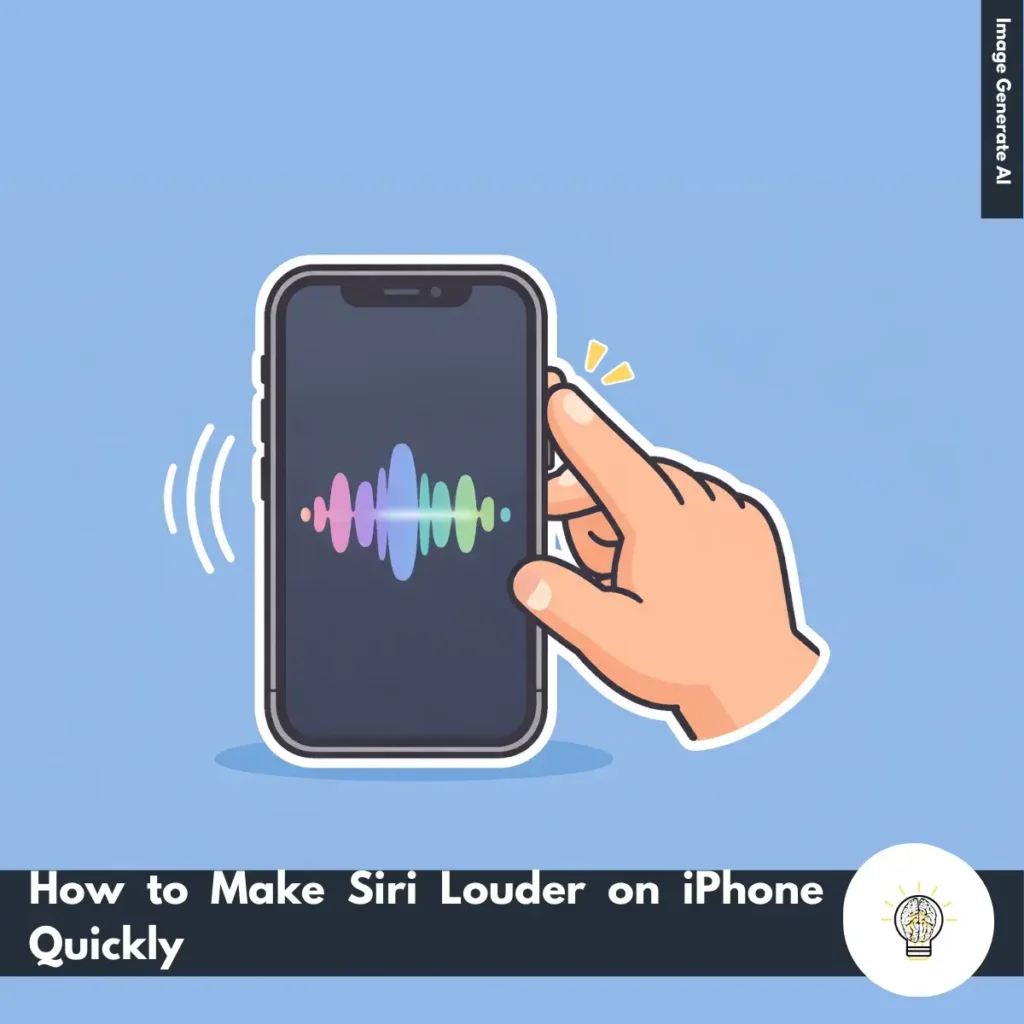
ruminesia – Sometimes Siri’s voice on your iPhone can sound quieter than expected, especially when you’re in a noisy place, or the device volume is set too low. If you rely on Siri for quick questions, reminders, or hands-free tasks, it can be frustrating when responses are hard to hear. Knowing how to make Siri louder on iPhone can help ensure the assistant’s voice stays clear and easy to understand.
Fortunately, adjusting Siri’s volume is simple once you know where to look. You can increase the volume using the side volume buttons while Siri is speaking, give a quick voice command to raise the volume, or adjust the system sound in Control Center.
If you use headphones or want better clarity, there are also a few additional settings that can improve how Siri sounds. With a few quick adjustments, you can make Siri’s responses louder and easier to hear in almost any situation.
Key Highlights
- Press the iPhone’s Volume Up button while Siri is speaking to instantly increase the assistant’s voice level.
- Use a voice command like “Speak louder” to raise Siri’s volume hands-free.
- Adjust the system volume from Control Center while Siri is responding for more precise control.
- Increase Siri’s voice through headphone or earbud controls when using external audio devices.
- Slowing Siri’s speaking rate in Accessibility settings can make responses easier to understand.
Understanding why you might need to make Siri Louder on your iPhone can help you avoid missed responses and improve everyday voice interactions. Several common situations can affect how clearly you hear Siri on your device.
Understanding how to make Siri louder on iPhone helps ensure Siri’s responses remain clear and audible in different environments. iPhone offers several simple ways to increase Siri’s voice using hardware buttons, voice commands, and built-in settings.
The fastest way to raise Siri’s voice is by using the physical volume buttons on your iPhone. This method works instantly while Siri is responding. To adjust Siri’s volume using the side buttons:
You can also increase Siri’s voice using a simple voice command. This method is useful if you prefer hands-free control. To adjust Siri’s volume with a voice command:
Control Center provides another quick way to adjust the system volume while Siri is responding. This allows you to fine-tune the audio level more precisely. To adjust Siri volume using Control Center:
If you are using wired headphones, wireless earbuds, or AirPods, you can control Siri’s volume directly from the headset controls. To adjust Siri’s voice through headphones:
Changing Siri’s speaking speed does not increase the volume, but it can make responses easier to understand. Slower speech may help improve clarity when listening to Siri. To adjust the speaking rate:
Read More:
Here are some Frequently Asked Questions about Siri to help clarify how Apple’s voice assistant works in everyday situations. These answers cover common questions users have when using Siri across different Apple devices.
Siri helps you perform everyday tasks using voice commands. You can ask Siri to send messages, make calls, set reminders, check the weather, control smart home devices, open apps, and search for information.
There are several ways to activate Siri depending on your device settings.
Once activated, simply speak your request.
Most Siri features require an internet connection because requests are processed through Apple’s servers. However, some basic tasks like opening apps, setting alarms, or adjusting certain device settings may work offline on newer iOS versions.
Yes, you can customize Siri’s voice and language in the settings menu. Apple provides several voice options, including different accents and languages depending on your region.
Yes, Siri works across multiple devices in the Apple ecosystem. You can use Siri on iPad, Mac, Apple Watch, AirPods, HomePod, Apple TV, and Apple Vision Pro.
You can disable Siri through the settings menu.
This will stop Siri from activating.
Yes, Siri can control compatible smart home devices through Apple HomeKit. You can use voice commands to turn lights on or off, adjust thermostats, or manage other connected home accessories.
Siri may not respond if voice recognition is disabled, the microphone is blocked, or your internet connection is unstable. Checking Siri settings and ensuring your device has a stable connection often resolves the issue.
Yes, Apple offers a Type to Siri feature for users who prefer typing.
You can then type commands instead of using voice input.
Siri only listens for the activation phrase like “Hey Siri” or “Siri” when the feature is enabled. Apple states that voice data is processed with privacy protections, and Siri does not continuously record conversations unless activated.
Making Siri easier to hear can significantly improve how you interact with your iPhone throughout the day. Once you understand how to make Siri louder on iPhone, simple adjustments like using the side volume buttons while Siri is speaking or asking Siri to “speak louder” can quickly increase the voice level. These small changes help ensure Siri’s responses stay clear, whether you’re at home, commuting, or in a busy environment.
Other options—such as adjusting the system volume through Control Center, using headphone controls, or modifying the speaking rate in Accessibility settings—can further improve how clearly you hear Siri. These built-in tools make it easy to customize Siri’s voice so it matches your listening preferences and daily usage.
Try these quick adjustments the next time Siri sounds too quiet on your iPhone and see which method works best for you. If you’ve found another helpful way to improve Siri’s voice volume, feel free to share your experience or tips with others.