Physical Address
304 North Cardinal St.
Dorchester Center, MA 02124
Physical Address
304 North Cardinal St.
Dorchester Center, MA 02124

Your Guide to the Latest in Tech
Your Guide to the Latest in Tech

Ruminesia – Ever feel confused about whether upgrading to a new iPhone is actually worth it, or if it just feels newer on the surface? That’s why many people search for Frequently Asked Questions about iPhone 15 before deciding to upgrade. Features like USB-C, Dynamic Island, and the 48MP camera sound exciting, but not all of them matter equally for everyday use.
Interestingly, the iPhone 15 is not only about faster performance or a refreshed design. Small changes like brighter outdoor visibility, longer battery life, and more practical charging options often make a bigger difference in daily routines. Sometimes the real upgrade is simply having a phone that feels more convenient and reliable every day.
At the same time, choosing between the standard, Plus, Pro, and Pro Max models can feel surprisingly complicated. Some features are genuinely useful for gaming, photography, or content creation, while others may not affect casual users much at all. That’s why understanding the Frequently Asked Questions about iPhone 15 helps make the upgrade decision feel more practical and less confusing.
Key Highlights
- USB-C finally simplifies charging across iPhone, iPad, Mac, and other modern Apple devices.
- Dynamic Island makes notifications and live activities feel more interactive and useful daily.
- The 48MP camera delivers noticeably sharper photos, especially for everyday travel and social content.
- iPhone 15 Pro models offer meaningful upgrades for gamers, creators, and professional video workflows.
- Features like Crash Detection and satellite assistance add practical safety beyond regular smartphone usage.
- Upgrading from iPhone 13 feels worthwhile for users wanting better cameras, brightness, and convenience.
Frequently Asked Questions about iPhone 15 mainly focus on USB-C, camera upgrades, performance, and new Pro-exclusive features. Here are concise answers to some of the most searched iPhone 15 questions online.
Yes, all iPhone 15 models now use a USB-C port instead of Apple’s older Lightning connector. This makes charging and data transfer more convenient because you can use the same cable for many Apple devices.
One thing many users overlook is that transfer speeds depend on the model. The standard iPhone 15 uses USB 2.0 speeds, while the Pro models support much faster USB 3 transfer performance.
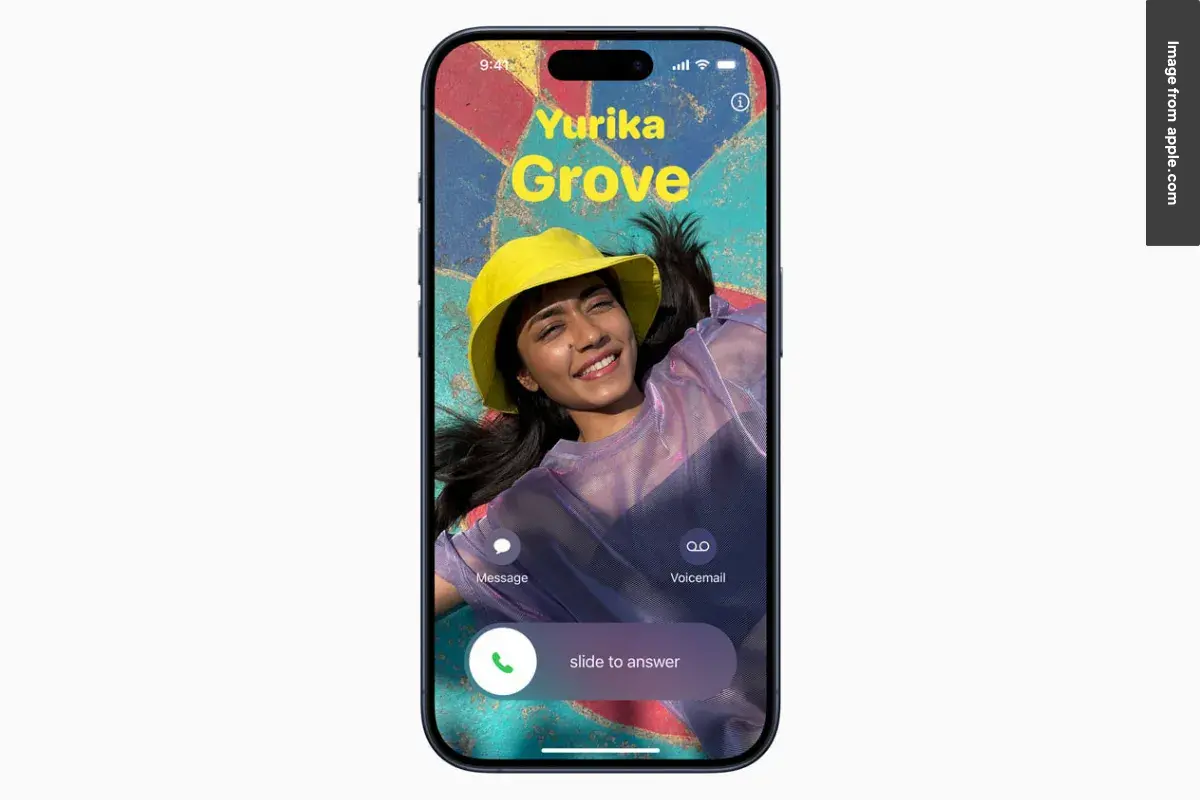
Yes, the traditional notch has been removed from the entire iPhone 15 lineup. Apple replaced it with the Dynamic Island design that was previously limited to Pro models.
In practice, Dynamic Island acts as an interactive notification area. It can display music controls, timers, incoming calls, navigation alerts, and live app activities in real time.
The standard iPhone 15 and iPhone 15 Plus use Apple’s A16 Bionic chip. This is the same processor that powered the iPhone 14 Pro series.
Performance is still extremely fast for gaming, multitasking, video editing, and daily use. The chip also helps improve battery efficiency and long-term software support.
The iPhone 15 Pro and Pro Max are powered by Apple’s A17 Pro chip. It is Apple’s first 3nm smartphone processor designed for higher performance and improved efficiency.
The main difference is the upgraded GPU performance. It supports hardware-accelerated ray tracing, making mobile gaming visuals look more realistic and smoother.
The standard iPhone 15 features a 48MP main camera and a 12MP ultra-wide camera. The upgraded sensor captures sharper photos with better detail and low-light performance.
Interestingly, Apple also added a 2x optical-quality zoom feature using the main sensor. This gives users more flexibility for portraits and close-up shots without needing a dedicated telephoto lens.
Yes, the iPhone 15 Pro Max has a more advanced zoom system than the smaller Pro model. It features a 5x optical zoom lens with a tetraprism periscope design.
This setup allows clearer long-distance photography without significantly increasing camera size. It is especially useful for travel photos, concerts, wildlife, and sports shots.
Titanium is only available on the iPhone 15 Pro and Pro Max models. The regular iPhone 15 and 15 Plus still use aluminum frames.
The titanium build makes the Pro models lighter than previous stainless-steel iPhones. It also gives the phone a more premium matte finish and a stronger durability feel.
No, iPhone 15 models sold in the United States no longer include a physical SIM tray. They use eSIM technology only.
In practice, eSIM allows users to activate carriers digitally and store multiple phone plans on one device. However, many international iPhone 15 models still include a physical nano-SIM slot.
The Action Button replaces the classic mute switch on the iPhone 15 Pro models. It is a customizable button designed for quick shortcuts and actions. You can configure it to:
The Always-On display feature is only available on the iPhone 15 Pro and Pro Max. The standard iPhone 15 models do not support it.
This feature works because the Pro models use LTPO display technology with adaptive refresh rates as low as 1Hz. It helps keep important information visible while minimizing battery drain.
The standard iPhone 15 and iPhone 15 Plus use a 60Hz display refresh rate. Apple still reserves its smoother 120Hz ProMotion technology for the Pro models.
In practice, scrolling and animations still feel smooth because iOS is highly optimized. The display is also very bright, reaching up to 2,000 nits outdoors for better sunlight visibility.
No, Apple does not include a charging adapter inside the iPhone 15 box. The package only includes the iPhone, documentation, and a USB-C charging cable.
One thing many users overlook is that you need a separate 20W or higher adapter for fast charging. Interestingly, the included braided USB-C cable is more durable than older Apple charging cables.
The standard iPhone 15 models are available in Black, Blue, Green, Yellow, and Pink. Apple uses soft pastel-style finishes that give the phone a cleaner and more modern appearance.
The matte glass back also helps reduce fingerprint marks during daily use. The colors look more subtle compared to previous glossy iPhone generations.
The iPhone 15 Pro lineup comes in Black Titanium, White Titanium, Blue Titanium, and Natural Titanium. These finishes are designed to match the titanium frame and premium design language.
The Natural Titanium option has become especially popular because of its raw metallic appearance. The brushed finish also helps hide small scratches better than polished stainless steel models.
The iPhone 15 battery is designed to comfortably last a full day with normal use. Apple claims up to 20 hours of video playback for the standard model and up to 26 hours for the iPhone 15 Plus.
Battery life depends heavily on brightness, gaming, video recording, and network conditions. In practice, most users can get through a full workday without needing to recharge.
The iPhone 15 has an IP68 water and dust resistance rating. It can survive freshwater immersion up to 6 meters for 30 minutes under controlled conditions.
However, water resistance is not permanent. Over time, drops, heat, and normal wear can weaken the internal seals, so liquid damage is still possible.
Yes, all iPhone 15 models support MagSafe wireless charging. The magnetic system allows the phone to align perfectly with compatible chargers and accessories. You can also use MagSafe accessories like:
The standard iPhone 15 starts with 128GB of storage. Apple also offers 256GB and 512GB versions for users who need more space.
The 128GB option is usually enough for casual daily use, social media, and regular photography. However, heavy 4K video recording can fill storage much faster.
No, the iPhone 15 Pro Max starts at 256GB instead of 128GB. Apple removed the smaller storage tier from its highest-end iPhone model.
The main difference is that the Pro Max targets creators and professional users who often record large ProRes and high-resolution video files. Larger default storage helps support those workflows better.
Yes, but only the iPhone 15 Pro and iPhone 15 Pro Max support Spatial Video recording. The standard iPhone 15 models do not include this feature.
Spatial Video captures depth information using multiple rear cameras simultaneously. These videos are designed for immersive playback on the Apple Vision Pro headset.
Yes, the iPhone 15 supports Roadside Assistance via Satellite in supported regions. This feature helps users contact roadside services even when there is no cellular signal available.
In practice, it works by connecting the phone directly to satellites overhead. The setup process is guided on-screen, making it easier to align the iPhone with the satellite connection when stranded in remote areas.
The standard iPhone 15 has a 6.1-inch display and a compact overall design. It measures about 5.81 inches tall, 2.82 inches wide, and 0.31 inches thick.
One thing many users notice immediately is the softer curved edge design. The phone feels more comfortable in the hand compared to older flat-edged iPhone generations.
The iPhone 15 Plus features a large 6.7-inch OLED display. It offers the same screen size as the iPhone 15 Pro Max but at a lower price point. This makes the iPhone 15 Plus attractive for:
Yes, the iPhone 15 supports reverse wired charging through its USB-C port. This allows the phone to provide power to smaller accessories. You can use it to charge:
Charging speeds are limited, but it is useful for emergencies when you do not have access to a power outlet.
Yes, Apple redesigned the internal structure of the iPhone 15 to simplify rear glass repairs. The back glass can now be removed separately without replacing the entire chassis.
The main difference is lower repair complexity and potentially cheaper repair costs. This also makes authorized servicing faster compared to some older iPhone models.
Yes, the iPhone 15 supports fast charging with a compatible USB-C power adapter. Apple states the battery can reach around 50% in approximately 30 minutes using a 20W charger or higher.
Interestingly, using a much larger charger will not dramatically increase charging speed. The iPhone automatically manages power intake to protect battery health and reduce heat buildup.
Yes, the iPhone 15 includes an optional 80% charging limit feature. You can enable it in the Battery Health and Charging settings menu.
This feature helps reduce long-term battery wear because lithium-ion batteries experience more stress when constantly charged to 100%. It is especially useful for users who keep their phone plugged in for long periods daily.
The standard iPhone 15 and iPhone 15 Plus come with 6GB of RAM. This amount is enough for smooth multitasking, gaming, and app switching.
In practice, iOS memory management is highly optimized. Even with lower RAM numbers than many Android phones, the iPhone 15 still delivers fast and stable everyday performance.
The iPhone 15 Pro and Pro Max feature 8GB of RAM. This upgrade supports more demanding workloads and advanced Pro-level features. The extra RAM helps with:
Macro photography is only available on the iPhone 15 Pro and iPhone 15 Pro Max. The standard iPhone 15 models do not support dedicated macro mode.
When using a Pro model, the camera automatically switches lenses when you move close to a subject. This allows sharp close-up photos of tiny details like flowers, textures, insects, or small objects.
The iPhone 15 display can reach up to 2,000 nits of peak brightness outdoors. This makes the screen much easier to read under direct sunlight compared to older iPhone models.
In practice, the display also supports up to 1,600 nits for HDR content playback. Colors remain vibrant, and text stays sharp even in very bright environments.
Wi-Fi 6E support is only available on the iPhone 15 Pro and iPhone 15 Pro Max. The standard iPhone 15 models still use regular Wi-Fi 6 connectivity.
The main difference is that Wi-Fi 6E can access the faster 6GHz wireless band. This helps reduce congestion and improve speeds on compatible modern routers.
Yes, the entire iPhone 15 lineup includes Apple’s second-generation Ultra Wideband chip. This upgraded hardware improves precision tracking and nearby device detection.
Interestingly, it enables more accurate Precision Finding for people and devices. The iPhone can guide users with directional arrows and distance indicators in crowded areas.
No, Apple ProRAW is only available on the iPhone 15 Pro models. The standard iPhone 15 saves photos using regular HEIF or JPEG formats.
ProRAW is designed mainly for professional editing workflows because it preserves more image data for post-processing. Most casual users may not need it for everyday photography.
The iPhone 15 uses Apple’s Smart HDR 5 processing to improve camera dynamic range. This helps the camera balance bright highlights and dark shadows more naturally.
In practice, photos look more realistic in difficult lighting situations. Skin tones, skies, and darker backgrounds appear more balanced without looking overly processed.
Yes, all iPhone 15 models support the newer Qi2 wireless charging standard. Qi2 uses magnetic alignment technology similar to Apple’s MagSafe system.
One thing many users overlook is that Qi2 allows faster 15W wireless charging on more third-party accessories. This gives users more affordable charging options without sacrificing speed.
Yes, the iPhone 15 includes Crash Detection as a built-in safety feature. The phone uses advanced motion sensors to detect severe car accidents automatically. If the user does not respond after a detected crash, the iPhone can:
The iPhone 15 features stereo speakers with strong volume and clear sound quality. Audio playback supports Dolby Atmos for a more immersive listening experience. The speakers perform well for:
Even at high volume levels, distortion remains relatively minimal.
Yes, the iPhone 15 supports direct 4K video output through its USB-C port. You can connect the phone to a TV or monitor using a compatible USB-C to HDMI adapter or cable. This is useful for:
It depends on the region where the iPhone 15 is sold. US models do not include a SIM ejector tool because they use eSIM only and have no physical SIM tray.
International models with physical SIM support still include the metal SIM removal pin inside the box. If needed, a standard paperclip can also work to eject the SIM tray safely.
The entire iPhone 15 lineup supports Bluetooth 5.3 connectivity. This newer version improves wireless stability, energy efficiency, and connection reliability with accessories.
In practice, Bluetooth 5.3 helps reduce audio dropouts and improves battery efficiency during long listening sessions. It works especially well with wireless earbuds, smartwatches, and other modern accessories.
The iPhone 15 uses Apple’s Ceramic Shield front glass for better durability and drop resistance. It is stronger than standard smartphone glass found on many older devices.
However, the screen can still develop small scratches over time from keys, dust, or sand particles. One thing many users overlook is that a tempered glass protector helps preserve the display’s appearance much longer.
The iPhone 15 Plus weighs approximately 201 grams or 7.09 ounces. Despite its large 6.7-inch display, the aluminum frame keeps the phone relatively lightweight.
The main difference compared to the Pro Max is overall comfort during long-term use. Many users find the Plus model easier to hold because it is lighter than the titanium-based Pro Max.
No, the iPhone 15 does not include a 3.5mm headphone jack. Apple removed the port from iPhones several generations ago. Users can still listen to wired audio using:
The iPhone 15 Pro and Pro Max support up to 1TB of internal storage. This option is mainly designed for professional users who record large video files or store extensive media libraries.
Interestingly, 1TB storage is especially useful for ProRes video recording and advanced editing workflows. Casual users usually find 256GB or 512GB more practical and affordable.
No, the iPhone 15 does not include an under-display fingerprint scanner. Apple continues to rely entirely on Face ID facial recognition technology.
Face ID uses advanced infrared sensors and depth mapping to securely unlock the phone. It works reliably in both daylight and dark environments.
Apple Log video recording is only available on the iPhone 15 Pro and Pro Max. The standard iPhone 15 models do not support this feature.
Log video captures a flatter color profile with more editing flexibility for professional workflows. This is especially useful for filmmakers and content creators who color-grade footage later.
Thread networking support is exclusive to the iPhone 15 Pro models. The standard iPhone 15 does not include the dedicated Thread radio hardware.
Thread helps improve smart home connectivity by creating faster and more reliable mesh communication between compatible devices. It is especially valuable for Matter-based smart home ecosystems.
The included USB-C cable supports USB 2.0 transfer speeds up to 480Mbps. This applies even when using the cable with an iPhone 15 Pro model.
One thing many users overlook is that faster USB 3 transfer speeds require a separate high-speed cable. The included braided cable is mainly designed for charging convenience rather than professional data transfer.
Yes, upgrading from an iPhone 13 to the iPhone 15 offers several meaningful improvements. Users gain USB-C charging, Dynamic Island, brighter displays, improved cameras, and faster performance.
The main difference is the overall daily experience. Features like the 48MP camera, better battery efficiency, and modern connectivity upgrades make the iPhone 15 feel noticeably more advanced for long-term use.
The iPhone 15 uses a camera system designed to balance sharp detail, everyday usability, and efficient storage. Instead of focusing only on higher megapixel numbers, Apple aims to deliver photos that look consistently good in real-world conditions, whether indoors, outdoors, or at night.
The main rear camera features a 48MP sensor that captures more detail than older 12MP iPhones. However, the iPhone 15 usually saves photos at 24MP by default to balance image quality, low-light performance, faster processing, and manageable file sizes. If needed, users can still shoot in full 48MP mode for extra detail, especially for landscapes or cropping.
On the front, the iPhone 15 includes a 12MP selfie camera designed for FaceTime calls, social media, portraits, and short videos. Besides that, Apple’s image processing helps improve lighting, skin tones, and overall clarity, making the camera feel reliable for everyday use.
Read More:
Interestingly, many of the biggest iPhone 15 changes are not the flashy ones people talk about first. Features like USB-C, better battery efficiency, brighter displays, and easier day-to-day convenience often end up mattering more after months of real use. Sometimes the best upgrade is simply having a phone that feels less frustrating and more practical every single day.
At the same time, not every feature is equally important for everyone. Some users may genuinely benefit from Pro features like advanced cameras, ProRAW, or console-level gaming, while others may never use them at all. That’s probably why Frequently Asked Questions about iPhone 15 continue appearing everywhere — people are trying to understand which upgrades truly fit their own habits and routines.
When you think about it, choosing a smartphone today is less about chasing the newest technology and more about understanding what genuinely improves your daily experience. Maybe you upgraded immediately, or maybe you are still holding onto an older iPhone because it already does enough. Either way, it is always interesting to see which iPhone feature actually changes how people use their phones every day.