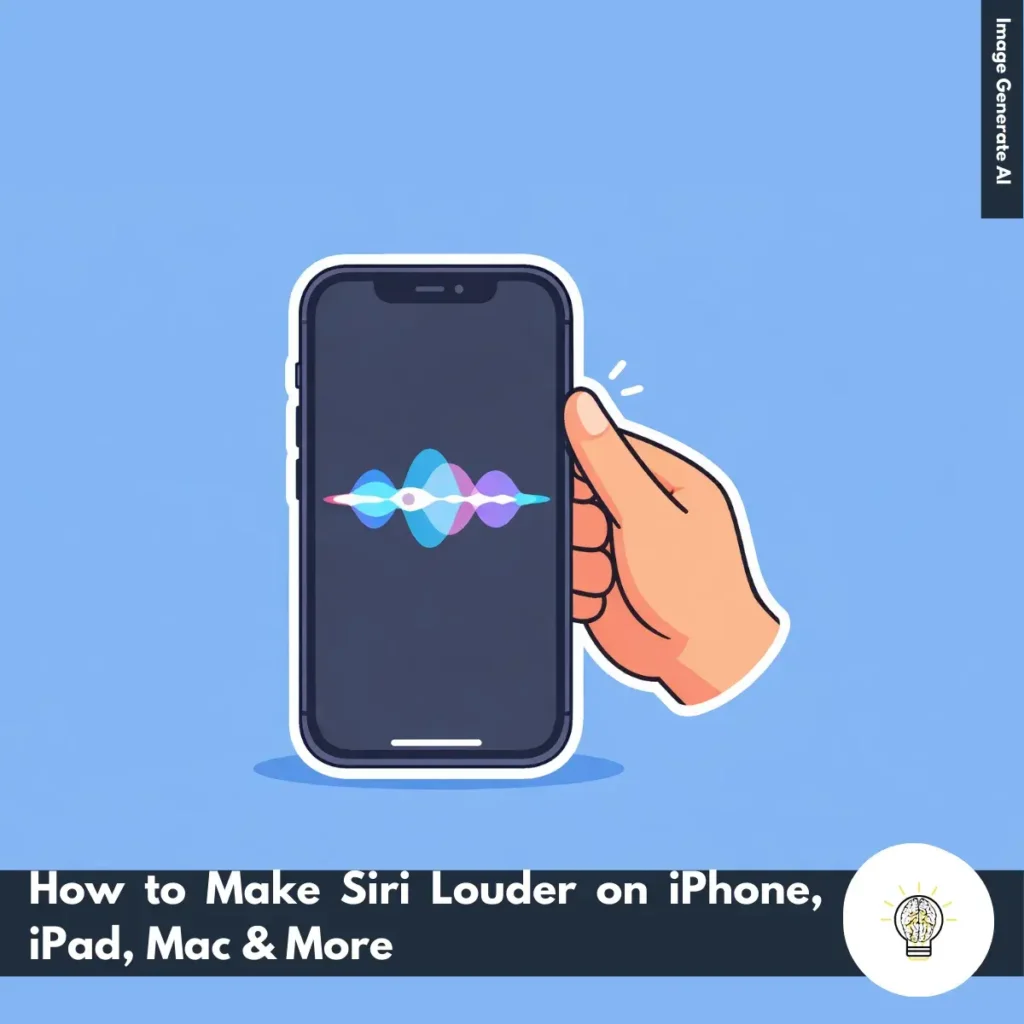
ruminesia – Sometimes Siri’s voice can be too quiet to hear clearly, especially in noisy environments, while driving, or when using headphones. If you’re trying to figure out how to make Siri louder, the solution is usually simple once you know which settings or controls to use on your device.
Siri’s volume can be adjusted in several ways depending on how you’re using the assistant. In many cases, you can increase the volume while Siri is speaking, use voice commands to change the level, or adjust system audio settings to make responses clearer.
The sections below walk through practical ways to make Siri louder across different devices and situations, including iPhone, iPad, Mac, AirPods, CarPlay, Apple Maps navigation, HomePod, and when Siri reads messages aloud. These quick adjustments can help ensure Siri’s responses are always easy to hear.
Key Highlights
You can increase Siri’s voice by adjusting the volume while Siri is actively speaking.
Hardware controls like the Volume Up button on iPhone, iPad, or Mac are the quickest way to raise Siri’s audio level.
Voice commands such as “Hey Siri, speak louder” can automatically adjust the assistant’s speaking volume.
Navigation apps like Apple Maps allow you to set a louder voice option for clearer turn-by-turn directions.
Audio devices such as AirPods, HomePod, and CarPlay have separate controls that can affect Siri’s voice output.
Checking sound settings, Silent mode, and connected Bluetooth devices can help resolve low voice issues quickly.
Here are some ways to make Siri louder on various platforms, such as iPad, iPhone, Mac, AirPods, Maps, and when reading messages.
1. How to Make Siri Louder on iPhone
Learning how to make Siri louder on iPhone helps ensure Siri’s voice responses are clear and easy to hear. These simple methods explain how to make Siri louder on iPhone using built-in controls and voice commands.
Press the Volume Up Button: While Siri is speaking, press the Volume Up button on the side of your iPhone to immediately increase Siri’s voice output.
Use a Siri Voice Command: Say “Hey Siri, speak louder” to ask Siri to automatically raise its speaking volume.
Adjust Volume in Control Center: Swipe down from the top-right corner to open Control Center, then move the volume slider upward while Siri is responding to fine-tune the voice level.
Control Volume Through Headphones: If you are using headphones or earbuds, press the volume up control on the headset while Siri is speaking to increase the audio level.
Adjust the Speaking Rate in Settings: Go to Settings > Accessibility > Siri and move the Speaking Rate slider to change how fast Siri talks, which can make responses easier to understand, even though it does not increase volume.
2. How to Make Siri Louder on iPad
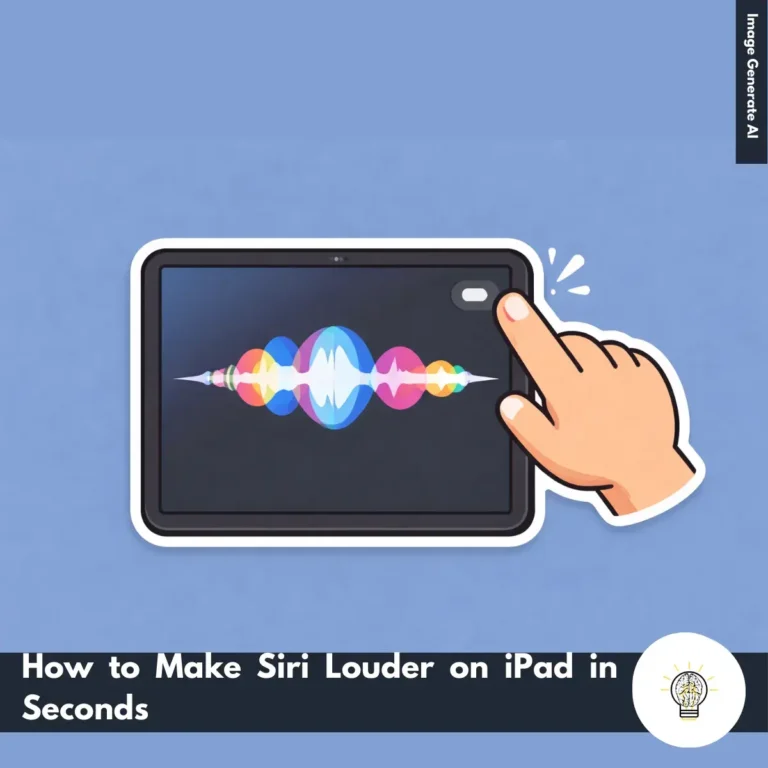
Learning how to make Siri louder on iPad helps ensure Siri’s responses are easy to hear when asking questions or using voice commands. These simple methods explain how to make Siri louder on iPad using built-in volume controls, voice commands, and sound settings.
Increase Volume with Side Buttons: Press the Volume Up button on the side of the iPad while Siri is speaking to raise the voice output instantly.
Activate Siri Before Adjusting Volume: Say “Hey Siri” or press the Home or Side button and ask a question so Siri begins speaking, allowing the volume adjustment to apply to Siri’s response.
Adjust Volume in Control Center: Swipe down from the top-right corner of the screen to open Control Center, then drag the volume slider upward while Siri is responding.
Use a Voice Command to Raise Volume: Say “Hey Siri, speak louder” or “Set your volume to 80%” to let Siri automatically increase its speaking volume.
Check Silent Mode and Sound Settings: Make sure Silent mode is disabled using the side switch or the bell icon in Control Center so Siri can play audio normally.
Increase System Sound Level in Settings: Open Settings > Sounds and raise the volume slider if the system sound level is set too low.
Check Connected Bluetooth Devices: Open Settings > Bluetooth and disconnect any headphones or speakers if Siri’s audio is being routed to an external device.
3. How to Make Siri Louder on Mac
Learning how to make Siri louder on Mac helps ensure Siri’s voice responses are clear when using voice commands or asking questions. These simple methods explain how to make Siri louder on Mac using system volume controls, keyboard shortcuts, and sound settings.
Increase Volume from the Menu Bar: Click the volume icon in the Mac menu bar while Siri is speaking, then drag the slider upward to raise Siri’s voice output.
Use Keyboard Volume Keys: Press the F12 key or the Volume Up key on your keyboard while Siri is talking to immediately increase the audio level.
Adjust Volume Through Headphones: If you are using headphones, press the volume up button on the headset or use your Mac’s keyboard volume controls while Siri is speaking.
Check Output Device in System Settings: Open System Settings > Sound > Output and make sure the correct speakers or headphones are selected as the active audio device.
Increase Output Volume in Sound Settings: In System Settings > Sound > Output, move the output volume slider to the right to raise the overall system sound level, including Siri’s voice.
4. How to Make Siri Louder on AirPods
Learning how to make Siri louder on AirPods helps ensure Siri’s voice responses are clear when using hands-free commands. These simple methods explain how to make Siri louder on AirPods using your iPhone controls, voice commands, and built-in AirPods features.
Increase Volume Using iPhone Buttons: Press the Volume Up button on your iPhone while Siri is speaking through your AirPods to immediately raise the voice output.
Enable Announce Notifications for Headphones: Open Settings > Notifications > Announce Notifications, then turn on Announce Notifications and Headphones so Siri can read alerts clearly through your AirPods.
Use a Siri Voice Command: Say “Hey Siri, speak louder” or “Hey Siri, speak quieter” to adjust Siri’s speaking volume without touching your device.
Adjust Volume Using AirPods Controls: Swipe up or down on the AirPods Pro stem or turn the Digital Crown on AirPods Max while Siri is speaking to increase or decrease the audio level.
5. How to Make Siri Louder on CarPlay
Learning how to make Siri louder on CarPlay helps ensure Siri’s voice directions and responses are easy to hear while driving. These simple methods explain how to make Siri louder on CarPlay using your car’s controls, voice commands, and iPhone volume settings.
Increase Volume Using Car Controls: Turn your car’s volume knob or press the steering wheel volume buttons while Siri is speaking to raise the voice output.
Activate Siri Before Adjusting Volume: Press the voice command button on your steering wheel or say “Hey Siri” so Siri begins speaking, allowing the volume adjustment to apply to Siri’s audio.
Use a Siri Voice Command: Say “Hey Siri, speak louder” or “Hey Siri, talk louder” to ask Siri to automatically increase the speaking volume.
Adjust Volume with iPhone Buttons: Press and hold the side button on your iPhone to activate Siri through CarPlay, then press the Volume Up button while Siri’s icon appears to increase the voice level.
6. How to Make Siri Louder on Maps
Learning how to make Siri louder on Maps helps ensure navigation instructions are clear and easy to hear while driving or walking. These simple methods explain how to make Siri louder on Maps by adjusting navigation settings, system volume, and related features.
Adjust Navigation Voice in Maps: Tap the audio button on the Apple Maps navigation screen, then select Voice Volume and choose Louder to immediately increase Siri’s navigation voice.
Set Louder Volume in Maps Settings: Open Settings > Maps > Spoken Directions, then choose Louder Volume so Siri’s navigation prompts use a higher default voice level.
Increase Volume During Navigation: Press the Volume Up button on your iPhone while Siri is giving directions to raise the navigation voice without affecting media playback.
Disable Attention Aware Features: Go to Settings > Accessibility > Face ID & Attention and turn off Attention Aware Features to prevent Siri’s voice from automatically lowering when you look at your phone.
Adjust CarPlay Navigation Volume: Turn up your car stereo volume while Siri is speaking during Apple CarPlay navigation to increase the voice level for directions.
7. How to Make Siri Louder on HomePod
Learning how to make Siri louder on HomePod helps ensure Siri’s responses are clear when asking questions, controlling smart devices, or setting reminders. These simple methods explain how to make Siri louder on HomePod using voice commands, automatic volume settings, and media controls.
Increase Siri Volume with Voice Commands: Say “Hey Siri, speak louder,” “Always speak louder,” or “Set your volume to 70%” while Siri is responding to raise the voice level.
Enable or Disable Automatic Siri Volume: Say “Hey Siri, turn on automatic Siri volume” or “Hey Siri, turn off automatic Siri volume” to control whether Siri adjusts volume based on background noise.
Adjust Media Volume Separately: Tap the + or – buttons on the HomePod or adjust the volume in the Home app to change music or audio playback without affecting Siri’s voice settings.
Check or Set Siri’s Current Volume: Say “Hey Siri, what’s your volume?” to hear the current level, or say “Hey Siri, set your volume to [percentage]” to choose a specific volume level.
8. How to Make Siri Louder When Reading Messages
Learning how to make Siri louder when reading messages helps ensure incoming texts and notifications are easy to hear. These simple methods explain how to make Siri louder when reading messages using volume controls, notification settings, and voice commands.
Increase Volume with Hardware Buttons: Press the Volume Up button on your iPhone or connected headphones while Siri is reading a message to raise the voice output for future readings.
Check Ring Mode Status: Make sure your iPhone is not set to Silent mode so Siri’s spoken messages can play at normal volume.
Enable Announce Notifications for Headphones: Open Settings > Notifications > Announce Notifications, then enable Announce Notifications and Headphones so Siri can read messages through compatible devices like AirPods.
Use a Siri Voice Command: Say “Hey Siri, speak louder” while Siri is active to automatically increase the speaking volume.
Adjust Siri Speaking Rate for Clarity: Go to Settings > Accessibility > Siri and modify the Speaking Rate slider to slow down or speed up Siri’s voice for easier understanding.
Here are some Frequently Asked Questions about Siri to help clarify how Apple’s voice assistant works in everyday situations. These answers cover common questions users have when using Siri across different Apple devices.
1. What can Siri do on Apple devices?
Siri helps you perform everyday tasks using voice commands. You can ask Siri to send messages, make calls, set reminders, check the weather, control smart home devices, open apps, and search for information.
2. How do I activate Siri on my iPhone?
There are several ways to activate Siri depending on your device settings.
Say “Hey Siri” or “Siri” if voice activation is enabled.
Press and hold the Side button on newer iPhones.
Press and hold the Home button on older iPhone models.
Once activated, simply speak your request.
3. Does Siri work without an internet connection?
Most Siri features require an internet connection because requests are processed through Apple’s servers. However, some basic tasks like opening apps, setting alarms, or adjusting certain device settings may work offline on newer iOS versions.
4. Can I change Siri’s voice?
Yes, you can customize Siri’s voice and language in the settings menu. Apple provides several voice options, including different accents and languages depending on your region.
5. Is Siri available on devices other than iPhone?
Yes, Siri works across multiple devices in the Apple ecosystem. You can use Siri on iPad, Mac, Apple Watch, AirPods, HomePod, Apple TV, and Apple Vision Pro.
6. How do I turn off Siri on my device?
You can disable Siri through the settings menu.
Open Settings on your device.
Tap Siri & Search.
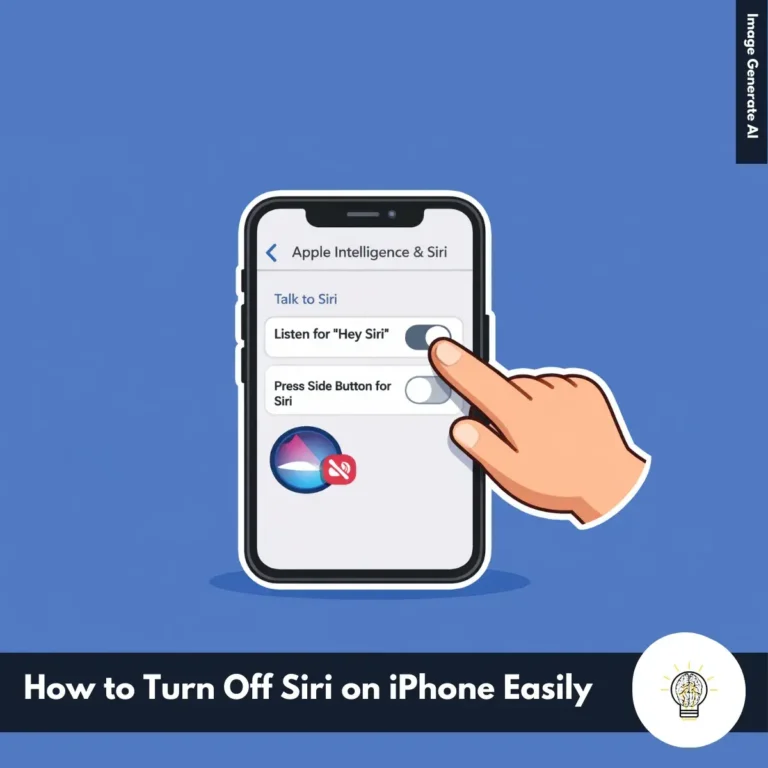
Turn off options like Listen for “Hey Siri” and Press Side Button for Siri.
This will stop Siri from activating.
7. Can Siri control smart home devices?
Yes, Siri can control compatible smart home devices through Apple HomeKit. You can use voice commands to turn lights on or off, adjust thermostats, or manage other connected home accessories.
8. Why is Siri not responding to my voice?
Siri may not respond if voice recognition is disabled, the microphone is blocked, or your internet connection is unstable. Checking Siri settings and ensuring your device has a stable connection often resolves the issue.
9. Can I type to Siri instead of speaking?
Yes, Apple offers a Type to Siri feature for users who prefer typing.
Go to Settings.
Select Accessibility.
Tap Siri.
Enable Type to Siri.
You can then type commands instead of using voice input.
10. Is Siri always listening to conversations?
Siri only listens for the activation phrase like “Hey Siri” or “Siri” when the feature is enabled. Apple states that voice data is processed with privacy protections, and Siri does not continuously record conversations unless activated.
Conclusion
Adjusting Siri’s voice doesn’t require complicated settings once you understand how the system controls work. Learning how to make Siri louder usually comes down to increasing the volume while Siri is speaking, using simple voice commands, or adjusting the audio settings on the device you’re using.
Across devices like iPhone, iPad, Mac, AirPods, CarPlay, HomePod, and Apple Maps navigation, the key idea stays the same: change the volume during Siri’s response so the system applies the adjustment to Siri’s voice. Checking sound settings, connected audio devices, and notification features can also help ensure Siri’s responses are clear and easy to hear.
If Siri still sounds too quiet, try a few of the methods above and see which one works best for your setup. Once you know where the controls are, adjusting Siri’s voice becomes quick and effortless whenever you need it.
A technology writer with 5 years of professional experience as a WordPress Developer and SEO Specialist. Focused on covering apps, gadgets, and the latest digital trends, while creating SEO-friendly content that helps readers stay informed and businesses grow their online presence.