Physical Address
304 North Cardinal St.
Dorchester Center, MA 02124
Physical Address
304 North Cardinal St.
Dorchester Center, MA 02124

Your Guide to the Latest in Tech
Your Guide to the Latest in Tech
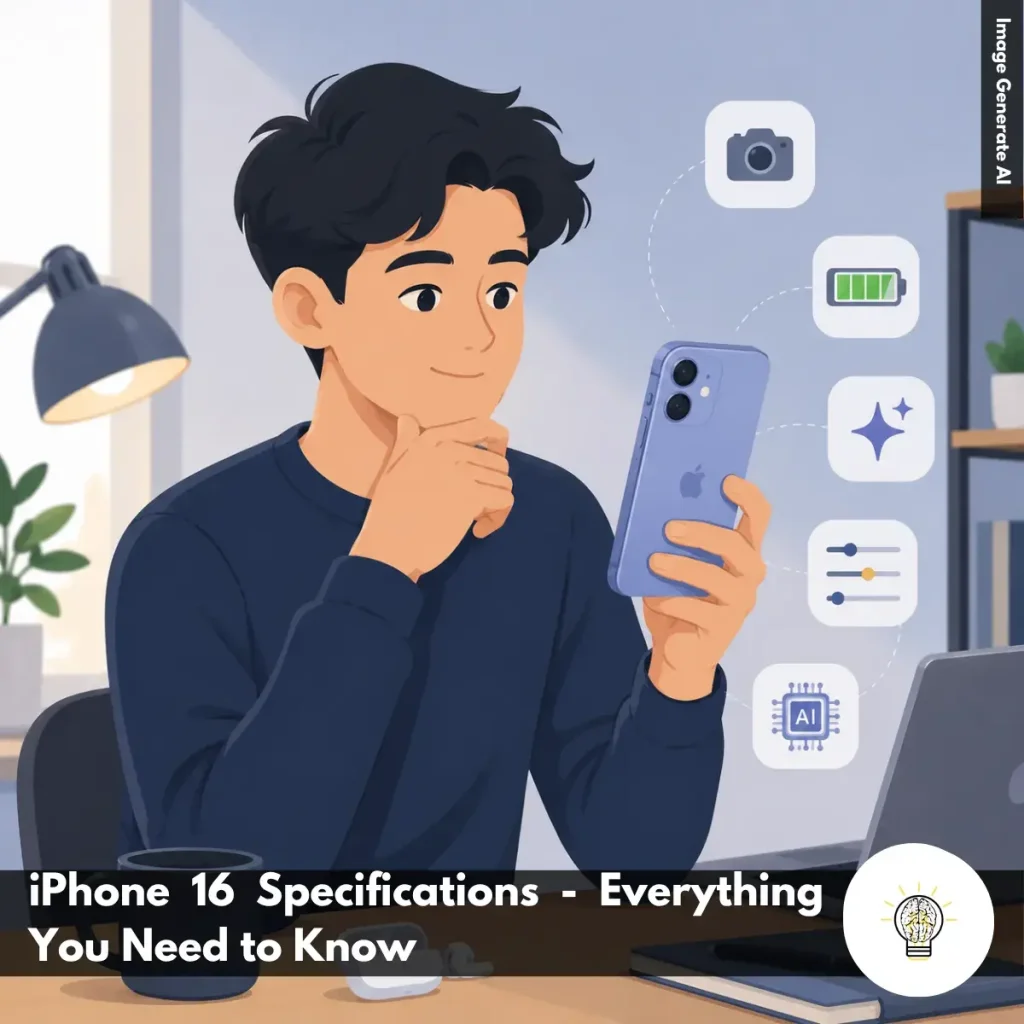
Ruminesia – Ever feel like upgrading to a new iPhone is no longer about chasing big changes, but finding a device that simply feels better to use every day? That’s exactly the impression the iPhone 16 gives. At first glance, it looks familiar, but the small refinements make the overall experience feel more polished and practical.
Interestingly, most people today are not just looking at benchmark scores or camera megapixels. They want a phone that feels reliable for years, handles multitasking smoothly, delivers consistent photo and video quality, and stays comfortable for daily use. That’s why the iPhone 16 specifications are interesting not only on paper, but also in real-world usage.
Besides the new Apple A18 chip and Apple Intelligence support, the iPhone 16 also introduces features like the Action Button and Camera Control button. They may seem minor at first, but in practice, they subtly change how users interact with the phone every day. For anyone wondering whether the standard iPhone 16 is already worth upgrading to, that’s where the discussion becomes more interesting.
Key Highlights
- The iPhone 16 focuses more on refined daily usability than dramatic design changes.
- Apple Intelligence support makes the iPhone 16 feel more future-ready for long-term users.
- The A18 chip delivers smooth multitasking and strong efficiency without sacrificing battery life.
- Camera performance feels reliable thanks to Apple’s consistent image processing and video quality.
- The new Action Button and Camera Control button improve everyday interaction surprisingly well.
- The 60Hz display may disappoint users switching from higher refresh rate Android smartphones.
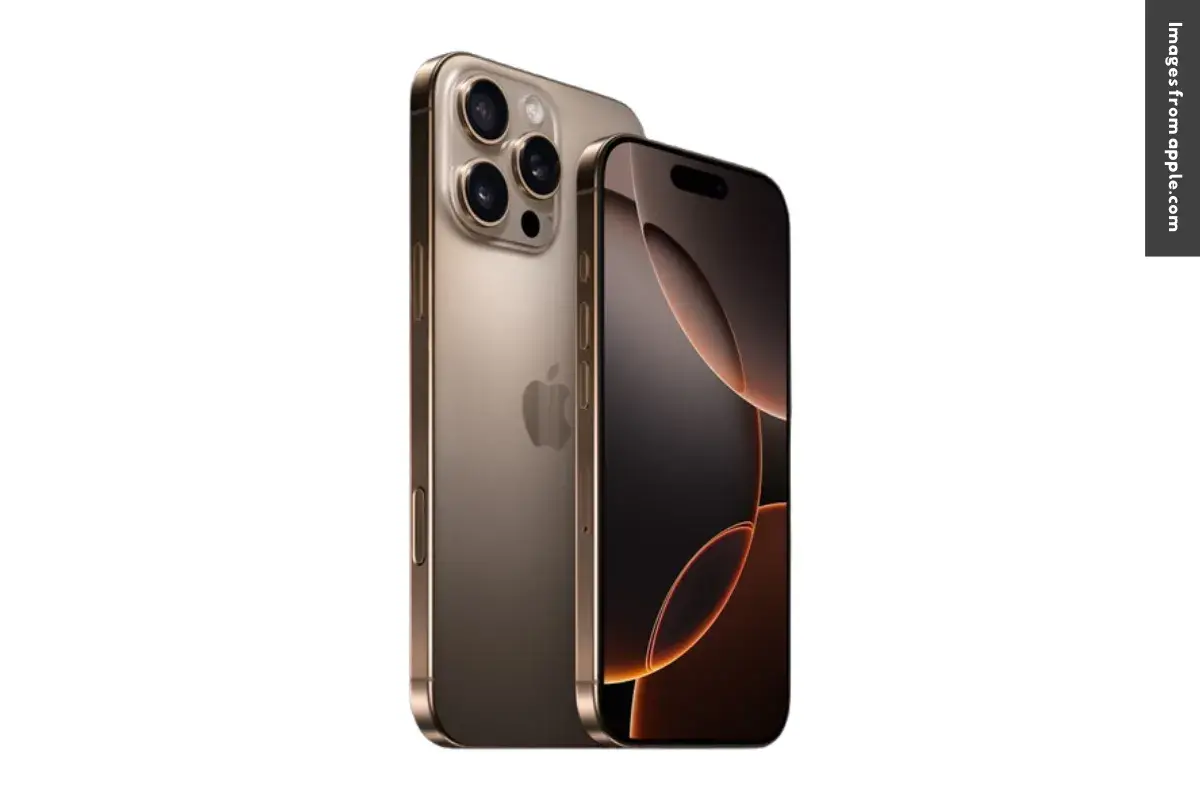
The standard iPhone 16 keeps Apple’s familiar formula, but with several refinements that make the overall experience feel more polished in daily use. From the new Action Button to Apple Intelligence support, this model focuses less on dramatic changes and more on making everyday interactions smoother and smarter.
| Category | Details |
|---|---|
| Design & Build | Compact and lightweight design with an aluminum frame, Ceramic Shield front, and glass back. Feels premium while remaining comfortable for daily use. |
| Dimensions | 147.6 x 71.6 x 7.8 mm |
| Weight | 170 g |
| Colors | Black, White, Pink, Teal, Ultramarine |
| Durability | IP68 dust and water resistance (up to 6m for 30 minutes) |
| New Features | Action Button and dedicated Camera Control button for quicker access and customization |
| Display | 6.1-inch Super Retina XDR OLED with vibrant colors, HDR support, and excellent outdoor visibility thanks to up to 2000 nits peak brightness |
| Resolution | 2556 x 1179 pixels (~460 ppi) |
| Refresh Rate | 60Hz |
| Display Features | Dynamic Island, HDR, True Tone, Wide Color (P3), Haptic Touch |
| Performance | Powered by the Apple A18 chipset built on a 3nm process for efficient performance, smooth multitasking, and better AI capabilities |
| CPU | 6-core CPU (2 performance + 4 efficiency cores) |
| GPU | 5-core GPU |
| Neural Engine | 16-core |
| RAM | 8 GB |
| Storage Options | 128 GB / 256 GB / 512 GB |
| Expandable Storage | No microSD support |
| Rear Camera | Dual-camera setup featuring a 48MP Fusion Main Camera with second-gen sensor-shift OIS and a 12MP Ultrawide camera with macro support |
| Front Camera | 12MP (f/1.9) |
| Video Recording | 4K up to 60fps, 1080p slow motion up to 240fps, Spatial Video, Cinematic Mode, and Action Mode |
| Battery | Around 3561 mAh with strong optimization for all-day use |
| Battery Life | Up to 22 hours video playback, 16 hours streaming, and 80 hours audio playback |
| Charging | 25W wired charging, 15W MagSafe wireless charging, and 7.5W Qi wireless charging |
| Software | Ships with iOS 18 and upgradeable to the latest iOS 26.x as of 2026 |
| AI Features | Supports Apple Intelligence for AI-powered features integrated into the Apple ecosystem |
| Connectivity | 5G, Wi-Fi 6E, Bluetooth 5.3, NFC (Apple Pay), Ultra Wideband (UWB2) |
| Other Features | Face ID, stereo speakers, Emergency SOS via satellite, and Crash Detection |
The iPhone 16 comes with dimensions of 147.6 x 71.6 x 7.8 mm and weighs 170 grams, making it compact enough for one-handed use while still feeling solid in the hand.
Apple continues using an aluminum frame paired with a Ceramic Shield front and glass back. In practice, this combination helps the phone feel premium without becoming overly heavy. The IP68 rating also means it can survive dust exposure and accidental water splashes up to 6 meters for 30 minutes.
Color options include Black, White, Pink, Teal, and Ultramarine. Interestingly, Apple seems to push brighter and more playful tones this year, giving the standard model a fresher identity compared to previous generations.
One of the biggest additions is the Action Button, which replaces the classic mute switch. Besides that, Apple also introduces a dedicated Camera Control button for quicker photo and video access.
The iPhone 16 features a 6.1-inch Super Retina XDR OLED display with a resolution of 2556 x 1179 pixels and a pixel density of around 460 ppi.
The screen supports HDR, True Tone, Wide Color (P3), Haptic Touch, and Dynamic Island. Peak brightness can reach up to 2000 nits, which helps significantly when using the phone outdoors under direct sunlight.
The problem is, Apple still keeps the refresh rate at 60Hz. For casual users, the experience still feels smooth thanks to iOS optimization. However, users coming from Android devices with 90Hz or 120Hz panels may notice the difference immediately.
Under the hood, the iPhone 16 runs on Apple’s A18 chipset built on a 3nm process. It combines a 6-core CPU, a 5-core GPU, and a 16-core Neural Engine.
In real-world usage, the performance feels more focused on efficiency and AI-related tasks rather than just raw benchmark numbers. Apps open quickly, multitasking feels responsive, and gaming performance remains strong for most users.
The phone also includes 8GB RAM with storage options ranging from 128GB to 512GB. As expected, there’s no microSD slot, so choosing the right storage capacity from the start still matters.
The iPhone 16 uses a dual rear camera setup consisting of:
For selfies and video calls, the front camera uses a 12MP sensor with an f/1.9 aperture.
What many users don’t realize is that Apple’s camera strength often comes from image processing consistency rather than megapixel numbers alone. Photos usually look balanced with natural colors, reliable skin tones, and stable video quality. Video recording supports:
For creators who regularly post short-form content, these features make the iPhone 16 feel especially practical for everyday shooting.
The iPhone 16 is equipped with a battery capacity of around 3561 mAh. Apple claims:
Charging support includes:
Interestingly, Apple still prioritizes battery optimization over ultra-fast charging speeds. While charging is not the fastest in the smartphone market, battery efficiency during daily usage remains one of the iPhone’s strongest points.
The device ships with iOS 18 and remains upgradeable to the latest iOS 26.x version as of 2026. One major highlight in the iPhone 16 specifications is Apple Intelligence support, which introduces AI-powered features deeply integrated into the Apple ecosystem. Connectivity features include:
Other notable features include:
In practice, these additions make the iPhone 16 feel less like a yearly upgrade and more like a long-term ecosystem device designed to stay relevant for years.
| Feature | iPhone 16 | iPhone 16 Pro |
|---|---|---|
| Screen | 6.1″ 60Hz | 6.3″ 120Hz ProMotion |
| Chip | A18 | A18 Pro |
| Frame | Aluminum | Titanium |
| Cameras | 48+12 MP | 48+48+12 MP (5x Tele) |
| Weight | 170g | 199g |
| Starting Price | $799 | $999 |
The base iPhone 16 is a strong upgrade over the iPhone 15 with the new A18 chip, better main camera, Camera Control button, and longer battery life.
Read More:
Many users are curious about the iPhone 16 not only because of the hardware upgrades, but also the everyday experience behind them. Here are some of the most common questions about the iPhone 16 before deciding whether the iPhone 16 is worth buying or upgrading to.
No, Apple Intelligence was not fully available immediately at launch. The first iPhone 16 models shipped with iOS 18, while many AI features arrived gradually through later updates like iOS 18.1.
In practice, Apple introduced features such as writing tools, notification summaries, and improved Siri capabilities in phases. This means the iPhone 16 experience continues evolving instead of delivering every AI feature on day one.
The Camera Control button is a new hardware shortcut placed on the right side of the iPhone 16 lineup. It allows users to instantly open the camera and adjust settings more naturally while shooting photos or videos.
Interestingly, the button also supports touch gestures and pressure sensitivity. Users can slide or lightly press it to control zoom, exposure, or camera modes without touching the main display.
No, the standard iPhone 16 still uses a 60Hz display. Apple continues to reserve 120Hz ProMotion technology for the Pro and Pro Max models.
The main difference is noticeable when scrolling or switching apps quickly. However, many users still find the iPhone 16 smooth enough because iOS animations remain highly optimized.
The iPhone 16 Pro features a larger 6.3-inch display, while the iPhone 16 Pro Max expands to 6.9 inches. This makes the Pro Max the biggest iPhone screen Apple has released so far.
Apple achieved this by reducing the bezel size rather than dramatically increasing the phone body. In practice, the larger display feels more immersive for gaming, editing, and media consumption.
The biggest differences are found in the display, camera system, materials, and chipset performance. The Pro models use titanium frames, 120Hz ProMotion displays, and more advanced camera hardware.
Meanwhile, the standard iPhone 16 focuses more on balanced everyday usability at a lower price point. For many users, the decision depends on whether advanced photography and smoother displays matter daily.
Yes, Apple redesigned the camera layout with vertically stacked lenses on the standard iPhone 16 and 16 Plus. This replaces the diagonal layout used in previous generations.
One thing many users overlook is that this change supports spatial video recording for the Apple Vision Pro ecosystem. The vertical arrangement helps capture more realistic depth information for immersive playback.
Yes, the iPhone 16 lineup offers better battery life compared to previous models. Apple combines larger batteries with more efficient A18-series chips for improved daily endurance.
In real-world usage, most users can comfortably get through a full day without needing to recharge midday. Improved thermal management also helps maintain battery health over time.
Yes, iPhone 16 models sold in the United States continue using eSIM only. Apple removed the physical SIM tray from US variants starting with earlier generations.
The system allows users to store multiple carrier profiles digitally through iOS settings. However, international versions of the iPhone 16 still include a physical nano-SIM slot.
The standard iPhone 16 comes in 128GB, 256GB, and 512GB storage variants. There is no microSD card support for expandable storage.
Because storage cannot be upgraded later, choosing the right capacity matters from the beginning. Users who shoot many videos or high-resolution photos may benefit from larger storage options.
Some early users reported occasional touchscreen responsiveness problems near the screen edges. The issue was mainly related to Apple’s palm rejection software sensitivity.
Because the bezels are thinner, the system sometimes misinterprets normal hand placement as accidental touches. Apple has addressed many of these complaints through iOS software updates.
The interesting thing about the iPhone 16 is that it does not try too hard to look revolutionary. Instead, Apple seems more focused on refining the small details that shape everyday experience, from smoother performance to more practical camera controls. And honestly, that approach may feel more meaningful for users who simply want a phone that stays reliable for years.
Looking at the iPhone 16 specifications, the biggest value is not necessarily hidden in the numbers alone. It is in how the device balances performance, camera consistency, battery efficiency, and long-term software support without making daily usage feel complicated. For many people, that kind of experience matters more than dramatic yearly upgrades.
Maybe that is why the iPhone 16 feels easier to appreciate after spending time understanding the smaller improvements behind it. Some users may still expect bigger changes, while others may see this as the version where Apple quietly improves the overall experience. What about you? Do these refinements feel enough to justify an upgrade this year?