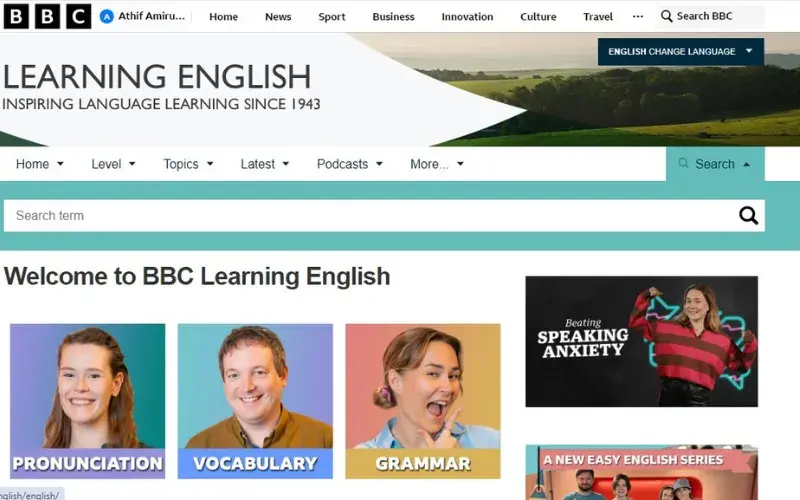
ruminesia – Learning English can feel confusing when you’re unsure which resources are actually helpful. Many learners want lessons that are simple, practical, and easy to fit into a daily routine, which is why BBC Learning English has become a popular choice.
The platform offers short videos, podcasts, and interactive lessons designed to help you understand real-world English. In this guide, you’ll learn how BBC Learning English works, its key features, and simple tips to use it more effectively.
Key Highlights
BBC Learning English is a free platform that helps learners improve listening, vocabulary, grammar, and pronunciation through short multimedia lessons.
The platform offers practical learning formats such as videos, podcasts, quizzes, and programs like 6 Minute English and News Review.
All lessons are accessible online, allowing learners to study anytime through the website, YouTube, podcasts, or social media channels.
Consistent daily practice, even for 10–15 minutes, can significantly improve language skills over time.
Combining listening with speaking, writing, and quizzes helps turn passive learning into real communication ability.
Avoid common mistakes such as inconsistent study habits or relying only on passive listening without active practice.
What is BBC Learning English? BBC Learning English is a free platform from the BBC that helps people improve their English in a simple and accessible way. It offers videos, audio lessons, podcasts, and short articles designed to build listening, speaking, reading, and writing skills.
You can follow structured courses or explore quick lessons like 6 Minute English, which explains everyday topics in clear language. With content based on news, business, and common vocabulary, the platform helps you learn practical phrases you can use in real conversations, all accessible online anytime and anywhere.
What Makes BBC Learning English Special?
What Makes BBC Learning English Special? BBC Learning English stands out because it focuses on practical language skills used in everyday communication. Its lessons are clear, accessible, and designed to help learners understand how English is actually used today.
Learn Authentic British English: Study real UK English through natural conversations, common expressions, and everyday idioms used by native speakers.
Explore a Wide Range of Topics: Choose lessons that match your goals, including business English, grammar, pronunciation, slang, and current events.
Access Free Learning Materials: Use all BBC Learning English resources without cost, making it easy for anyone to improve their English skills.
Use Multimedia Learning Formats: Practice with videos, audio lessons, quizzes, worksheets, and written explanations designed for different learning styles.
Features of the BBC Learning English App
Features of the BBC Learning English App make it easier to build English skills through short, practical lessons you can follow anytime. The app combines multimedia learning, structured practice, and flexible tools designed for learners at different levels.
Access Daily Lessons: Follow short 2–3 minute lessons that introduce new vocabulary, expressions, and quick quizzes to keep your daily practice consistent.
Learn Everyday English: Listen to short audio clips from programs like The English We Speak to understand common expressions and improve natural fluency.
Study Business English: Watch ten-minute video lessons focused on workplace vocabulary, leadership language, and professional communication.
Explore Special Learning Modules: Use dedicated sections for grammar, pronunciation, and vocabulary supported by news clips and short drama content.
Use Interactive Learning Tools: Practice with transcripts, subtitles, quizzes, and score tracking that help reinforce what you learn.
Personalise Your Learning: Choose your level, follow your favorite programs, and share progress through email or social platforms.
Follow a Structured Learning Path: Study at your own pace with lessons that support gradual skill development over time.
Learn from Authentic Content: Improve comprehension using real news topics and British cultural references.
Find Lessons for All Levels: Access beginner, intermediate, and advanced content designed to match your learning stage.
Explore Diverse Learning Topics: Study grammar, vocabulary, pronunciation, news discussions, and cultural insights in one place.
Learn from Popular Programs: Practice with well-known series like 6 Minute English, The English We Speak, and News Review.
Practice with Interactive Exercises: Reinforce listening, speaking, and reading skills through quizzes and practical exercises.
Use Transcripts and Subtitles: Follow lessons more easily with full transcripts and subtitles included in many audio and video sessions.
Download Lessons for Offline Access: Save lessons to your device so you can continue learning without an internet connection.
Save and Organise Favourite Lessons: Bookmark useful lessons and organise them into custom collections for quick access.
Track Your Learning Progress: Monitor improvement with visual progress indicators that help keep you motivated.
Receive Daily Content Updates: Discover new lessons regularly so your learning experience stays fresh and engaging.
Access Beginner to Advanced Lessons: Start with simple programs like Easy English and move to more challenging content as your skills grow.
Improve Workplace Communication: Use dedicated Business English modules to develop professional language skills for real work situations.
Advantages of BBC Learning English
Advantages of BBC Learning English explain why many learners use the platform to improve practical communication skills. It combines expert-created content, flexible learning formats, and real-world examples to support steady progress.
Learn from Professional Content: Study lessons created by language specialists using authentic English used in daily and professional communication.
Use Multimedia Learning Formats: Improve your skills through videos, audio clips, quizzes, and interactive exercises that make lessons more engaging.
Develop Complete Language Skills: Practice grammar, listening, speaking, writing, and pronunciation in one integrated learning platform.
Study at Any Skill Level: Access lessons designed for beginners, intermediate learners, and advanced users.
Follow Short Daily Lessons: Complete quick microlearning sessions that fit easily into your daily routine.
Access Free Learning Materials: Use all lessons and resources online without paying for subscriptions.
Learn Practical, Real-World English: Study contextual examples and authentic materials that reflect everyday conversations.
Understand Cultural Context: Explore British English accents and cultural insights that improve global communication skills.
Track Continuous Learning Progress: Monitor improvement through regular updates and simple progress indicators.
Stay Motivated with Varied Content: Keep learning interesting through diverse topics, interactive activities, and regular reminders.
Learn from a Trusted Platform: Benefit from BBC-backed content developed by experienced educators and reliable sources.
Choose Flexible Learning Paths: Follow structured courses or select individual lessons based on your learning style.
Enjoy Engaging Learning Formats: Practice with podcasts like 6 Minute English, audio stories, videos, and news-based lessons.
Build Communication Confidence: Apply practical examples that help you speak more confidently in conversations and meetings.
Learn on Mobile Devices: Use the app to continue learning anytime while commuting or during short breaks.
Support Career Development: Strengthen English skills that can help expand professional opportunities.
Disadvantages of BBC Learning English
Disadvantages of BBC Learning English highlight several limitations learners should consider when using the platform. Understanding these gaps can help you combine it with other tools for a more balanced learning experience.
Understand the App Closure: The official BBC Learning English mobile app was discontinued in 2023, so it no longer receives updates or new features.
Use the Web-Based Platform: Access lessons through the website instead of a dedicated mobile app, which may reduce convenience for on-the-go learning.
Expect British English Focus: Most lessons use British pronunciation and vocabulary, offering limited exposure to American or other global accents.
Recognise Advanced-Level Limits: The platform prioritizes practical communication, which may feel too basic for learners seeking academic or highly specialised English.
Note the General Learning Approach: Everyday English topics dominate the content, while technical or academic writing receives less coverage.
Manage Self-Study Discipline: Follow lessons independently and maintain your own learning schedule since the platform relies on self-paced study.
Understand the Lack of Personal Tutors: Learn without live coaching or adaptive feedback commonly found in some AI-powered language apps.
Maintain Learning Consistency: Create a regular study routine because the platform does not enforce schedules or provide real-time guidance.
Expect Limited Professional Focus: Many lessons cover general themes like news and culture rather than industry-specific communication.
Recognise the Standardised Format: The content follows a general learning structure that may not address individual communication challenges.
Watch for Content Repetition: Some topics and lesson formats may feel repetitive after long-term use.
Navigate Large Content Libraries: The wide range of lessons can sometimes feel overwhelming and harder to organise efficiently.
Accept Limited Personal Feedback: The platform does not provide detailed corrections for pronunciation, grammar, or speaking mistakes.
Be Aware of Technical Issues: Occasionally, broken links or slow downloads may interrupt the learning process.
Adjust to Accent and Formality: Some lessons feature strong accents or formal phrasing that may be difficult for beginners.
Avoid Passive Learning Habits: Combine lessons with speaking practice or other tools to prevent relying only on passive listening.
Is BBC Learning English Paid?
Is BBC Learning English Paid? No, BBC Learning English is completely free to use. The platform provides open access to videos, audio lessons, quizzes, and articles without requiring a subscription or paid membership.
It works by offering short, practical lessons that focus on real-world communication. Learners can explore topics like vocabulary, pronunciation, grammar, and everyday conversations through videos, podcasts, and news-based content designed to make English easier to understand.
In everyday use, many people rely on BBC Learning English as a flexible self-study resource. Since all materials are available online, you can learn anytime from your phone or computer while building practical English skills at your own pace.
How BBC Learning English Works
How BBC Learning English Works is based on a flexible system that combines short lessons, real-world topics, and interactive practice. The platform helps learners build practical English skills step by step through multimedia content and self-paced learning.
Follow a Structured Learning Approach: Study grammar, vocabulary, and pronunciation through a balanced lesson structure designed for gradual improvement.
Start with a Level Assessment: Take a quick self-test to identify lessons that match your current English level.
Complete Short Daily Lessons: Watch or listen to 2–3 minute sessions with transcripts and subtitles to build consistent learning habits.
Learn Through Thematic Topics: Explore lessons based on everyday themes like culture, business, and daily conversations.
Practice Contextual Learning: Understand English through drama clips, storytelling, and news segments that reflect real-life situations.
Use Interactive Exercises: Reinforce knowledge with quizzes and microlearning tasks that help you review each lesson.
Track Your Learning Progress: Monitor achievements and milestones using built-in progress indicators.
Improve Pronunciation Skills: Follow pronunciation drills and phonetic guidance to develop clearer speech.
Study at Your Own Pace: Choose topics and follow lessons based on your learning goals and schedule.
Combine with Other Learning Tools: Pair the platform with conversation apps or AI tutors for additional speaking practice.
Access Lessons Anywhere: Use the mobile-friendly website to learn anytime from a phone, tablet, or computer.
Learn Through Multimedia Content: Study using audio, video, and text materials taken from BBC news and everyday scenarios.
Explore Structured Courses and Lessons: Follow programs like English My Way or standalone lessons such as Office English and News Review.
Practice with Popular Learning Series: Build vocabulary and idioms through programs like 6 Minute English, The English We Speak, and Lingohack.
Learn from Authentic Context: Understand grammar and vocabulary through real BBC news stories and discussions.
Choose Flexible Learning Paths: Follow full courses or select individual lessons based on your preferred study style.
Use Extra Learning Materials: Strengthen your understanding with quizzes, exercises, flashcards, and additional lesson guides.
How To Find BBC Learning English
How To Find BBC Learning English is simple because the platform is available across several free online channels. You can access its lessons through the website, media platforms, and audio services depending on how you prefer to learn.
Visit the Official Website: Go to the BBC Learning English website to access the main hub for courses, lessons, and learning materials.
Choose a Structured Course Level: Select lessons based on your English level, such as A1–A2 for beginners, B1–B2 for intermediate learners, or C1+ for advanced users.
Explore Popular Learning Programs: Follow well-known series like 6 Minute English, The English We Speak, and 6 Minute Grammar to learn everyday expressions.
Search by Topic or Skill: Use the website’s search and filters to find lessons on Business English, pronunciation, grammar, or news topics.
Use the Mobile App: Install the BBC Learning English app to watch videos, listen to lessons, and take quizzes directly from your phone.
Watch the YouTube Channel: Visit the BBC Learning English YouTube channel for short video lessons, grammar explanations, and mini learning stories.
Follow Social Media Accounts: Check platforms like Instagram, TikTok, or Facebook for quick vocabulary tips and daily learning posts.
Listen Through Podcasts: Search for “BBC Learning English” on Spotify or Apple Podcasts to study with audio lessons while commuting or exercising.
Access BBC Sounds (UK Only): If you are in the UK, use the BBC Sounds app to listen to BBC Learning English audio programs in one place.
How To Access BBC Learning English
How To Access BBC Learning English is straightforward because the platform is available through several free online channels. You can choose the method that fits your learning style, whether through websites, audio platforms, or video content.
Visit the Official Website: Open the BBC Learning English website to access the full collection of lessons, courses, transcripts, and quizzes.
Access Lessons Directly: Browse the site anytime to explore learning materials without creating a paid account or subscription.
Search by Level or Topic: Use the built-in filters to find lessons based on difficulty levels such as Easy, Medium, or Hard, or by topics like Business English and pronunciation.
Follow Popular Learning Series: Study through programs like 6 Minute English and The English We Speak, which include transcripts and short practice quizzes.
Listen to Podcasts and Audio Lessons: Use audio-based lessons if you prefer learning during daily activities such as commuting or exercising.
Use Audio Streaming Platforms: Search for “BBC Learning English” on Spotify or Apple Podcasts, or use BBC Sounds if you are in the UK.
Download Audio for Offline Use: Save MP3 lesson files from the website so you can continue learning without an internet connection.
Watch the YouTube Channel: Visit the BBC Learning English YouTube channel to learn through short videos covering grammar, vocabulary, and real-life conversations.
Follow Social Media Updates: Check Instagram, TikTok, or Facebook to learn new phrases through short daily tips and bite-sized lessons.
Use Mobile Browser Access: Since the official app was discontinued in December 2023, open the website directly through your phone’s browser.
Explore App Alternatives: Use third-party learning apps or tools that organize BBC Learning English content from the web for easier mobile access.
How to Use BBC Learning English
How to Use BBC Learning English becomes easier when you follow a simple learning routine. The platform provides flexible tools that help you explore lessons, practice skills, and improve English step by step.
Assess Your Current Level: Start with the website’s level test to identify lessons that match your English ability.
Explore Lessons by Skill or Topic: Browse categories such as vocabulary, grammar, pronunciation, writing, or speaking to focus on the skills you want to improve.
Choose Your Preferred Learning Format: Select podcasts, videos, articles, or interactive lessons depending on how you learn best.
Follow a Course or Combine Lessons: Join a structured course for guided progress or mix different lessons to create a flexible study plan.
Use Popular Learning Features: Practice with programs like News Review, The English We Speak, or Office English to learn real-world expressions.
Practice Consistently: Complete quizzes, review past lessons, and revisit key topics regularly to strengthen your vocabulary and language skills.
Tips for Learning with BBC Learning English
Tips for Learning with BBC Learning English can help you study more effectively and make steady progress over time. By following a few simple habits, you can turn short lessons into a consistent and productive learning routine.
Create a Daily Learning Routine: Spend 10–15 minutes each day practicing vocabulary, grammar quizzes, or listening exercises to build consistency.
Start with Suitable Lessons: Choose lessons that match your current English level before moving on to more challenging content.
Track Your Learning Progress: Set small weekly goals and review completed lessons to stay motivated and focused.
Use Real English Content: Watch BBC news clips, short videos, and podcasts to hear natural English used in real situations.
Maintain Consistent Practice: Study regularly—even for a few minutes daily—to build long-term learning habits.
Learn Actively with Transcripts: Use transcripts and subtitles to improve pronunciation and understand new vocabulary in context.
Practice Speaking and Writing: Apply new vocabulary by speaking aloud or writing short sentences and paragraphs.
Complete Interactive Quizzes: Test your understanding with quizzes and exercises that reinforce lesson content.
Expand Your English Exposure: Combine lessons with English podcasts, films, or articles to strengthen listening and cultural awareness.
Choose Topics You Enjoy: Focus on lessons that match your interests to keep learning engaging and motivating.
Learn from Mistakes: Treat errors as part of the learning process and use them to improve grammar and pronunciation.
Review Previous Lessons: Revisit earlier materials regularly to strengthen memory and long-term retention.
Common Mistakes Made by BBC Learning English Users
Common mistakes made by BBC Learning English Users often happen when learners rely only on passive study or lack a clear routine. Recognizing these mistakes can help you improve faster and build stronger English skills.
Avoid Inconsistent Study Habits: Study regularly because skipping lessons can break your learning rhythm and reduce motivation.
Create a Simple Study Plan: Follow a basic schedule or learning path so you don’t miss important grammar or vocabulary topics.
Balance Passive and Active Learning: Combine watching or listening with speaking and writing practice to build real fluency.
Complete Interactive Exercises: Use quizzes and practice tasks to reinforce grammar rules and improve vocabulary retention.
Diversify English Exposure: Supplement BBC lessons with other resources to hear accents beyond British English.
Use Transcripts and Subtitles: Read transcripts while listening to improve pronunciation, comprehension, and context.
Review Lessons Regularly: Revisit older lessons to strengthen memory and reinforce key language patterns.
Address Common Grammar Problems: Pay extra attention to verb tenses, articles, prepositions, pronouns, and similar grammar areas.
Avoid Direct Translation: Think in English instead of translating from your native language to produce more natural sentences.
Practice Pronunciation and Spelling: Repeat words aloud and study similar-sounding words to reduce common speaking errors.
Learn Idioms and Informal Expressions: Expose yourself to everyday phrases and slang through regular listening practice.
Balance Grammar and Communication: Study grammar rules, but also practice speaking to build confidence in real conversations.
Frequently Asked Questions about English Learning Apps
Frequently Asked Questions about English Learning Apps help clarify how these tools work and how to use them effectively. The questions below address common concerns learners have when choosing and using English learning apps.
1. Can a language learning app really make you fluent?
English learning apps are effective for building vocabulary, grammar, and basic communication skills. However, full fluency usually requires real conversations, listening to native speakers, and regular writing practice.
Apps help you understand the language structure, while real interactions help you apply the language naturally in unpredictable situations.
2. Which English learning app is best for speaking and fluency?
Apps that focus on pronunciation and conversation practice are usually best for improving speaking skills. Common options include:
ELSA Speak for pronunciation analysis and speaking feedback
Italki or Preply for one-on-one lessons with tutors
HelloTalk for chatting with native speakers
Using a mix of AI tools and real conversations can accelerate speaking improvement.
3. Are AI-powered English apps better than traditional learning methods?
AI-powered apps provide flexible learning and instant feedback on grammar, pronunciation, and vocabulary usage. This allows learners to practice anytime without waiting for scheduled classes.
However, traditional methods such as classroom learning or tutoring still offer a deeper cultural context and real human interaction. Many learners combine both approaches for better results.
4. Can I learn English for free using mobile apps?
Yes, many English learning apps offer free versions that provide essential lessons and practice materials. These free tools can help learners build a strong foundation in vocabulary and grammar. Examples of free learning apps include:
Duolingo for daily gamified lessons
BBC Learning English for listening and vocabulary practice
HelloTalk for language exchange conversations
Premium features usually add advanced lessons, AI feedback, or ad-free learning.
5. How long should I practice English on an app each day?
Consistency matters more than long study sessions. Most learners see steady improvement when they practice regularly for short periods. A simple daily routine could include:
10–15 minutes reviewing vocabulary or grammar
10 minutes listening to English audio or videos
5–10 minutes speaking practice
Around 20–30 minutes of daily practice is enough to build strong habits.
6. Why do many people stop using English learning apps after a few weeks?
Many users lose motivation when lessons feel repetitive or unrelated to real-life communication. Gamification features like streaks or points can motivate beginners, but they may lose impact over time.
To stay consistent, learners should combine apps with real content such as podcasts, videos, or conversations with other learners.
7. Are English learning apps effective for advanced learners?
Most English learning apps focus on beginner to intermediate levels. Advanced learners often need more complex materials such as academic articles, professional vocabulary, or real debates.
For higher levels, apps are usually used as practice tools while learners rely more on real conversations, writing practice, and specialized content.
8. Which apps teach full sentences instead of isolated words?
Some apps focus on teaching complete sentences and real-life dialogue instead of memorizing individual vocabulary words. Examples include:
Babbel for structured sentence-based lessons
Busuu for dialogue practice and contextual learning
Memrise for real-life phrases spoken by native speakers
Learning full sentences helps learners understand natural grammar patterns faster.
9. Is it better to use one English learning app or multiple apps?
Using multiple apps can create a more balanced learning experience because each platform often focuses on different skills. For example:
One app for vocabulary and grammar practice
Another app for speaking and pronunciation
A third platform for conversation practice with real people
This combination helps cover all four language skills more effectively.
10. How do I choose the right English learning app for my learning style?
Choosing the right app depends on how you prefer to learn and what your goals are. You can start by:
Identifying your learning style (visual, audio, or interactive)
Defining your goal, such as travel, work, or fluency
Testing several apps through free versions or trials
Trying a few platforms first helps you find the one that best fits your learning routine.
Conclusion
BBC Learning English offers a simple and accessible way to improve your English through short, practical lessons. With a wide range of videos, podcasts, quizzes, and articles, the platform helps learners build skills in listening, vocabulary, grammar, and pronunciation using real-world topics. Because the content is free and easy to access online, it’s a useful resource for anyone who wants to study English at their own pace.
To get the most out of BBC Learning English, it helps to follow a consistent routine, choose lessons that match your level, and combine listening with active practice like speaking or writing. Exploring different programs, reviewing past lessons, and using transcripts can also strengthen your understanding and make learning more effective.
If you’re looking for a flexible way to build practical English skills, BBC Learning English is a great place to start. Try exploring a few lessons today and see which formats work best for your learning style.
A technology writer with 5 years of professional experience as a WordPress Developer and SEO Specialist. Focused on covering apps, gadgets, and the latest digital trends, while creating SEO-friendly content that helps readers stay informed and businesses grow their online presence.